2026
FEBRUARY
A LEARNING JOURNEY THROUGH HISTORY: “GANDHIJI AND PAYYANNUR” (28/02/2026)
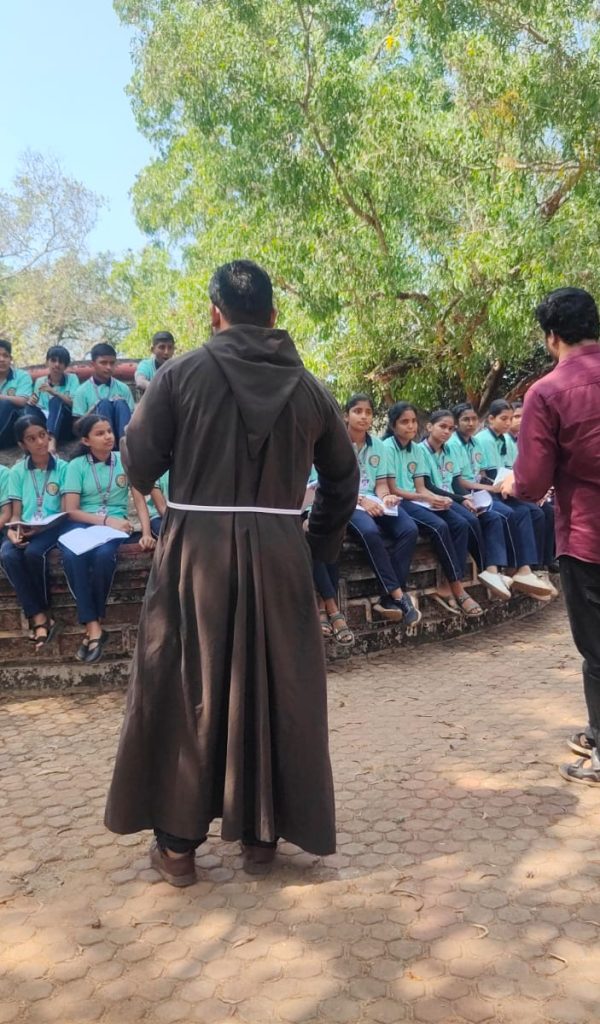
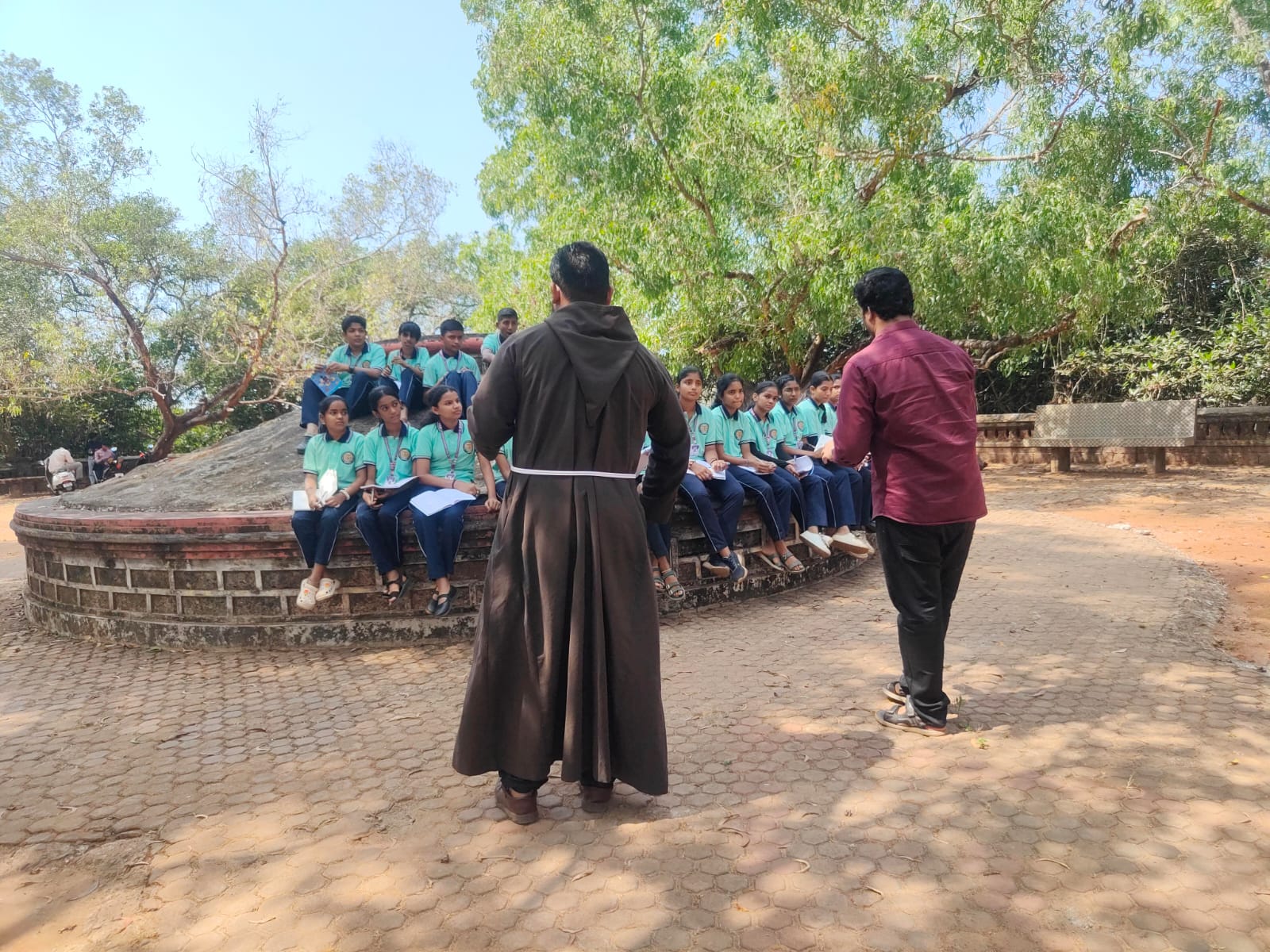
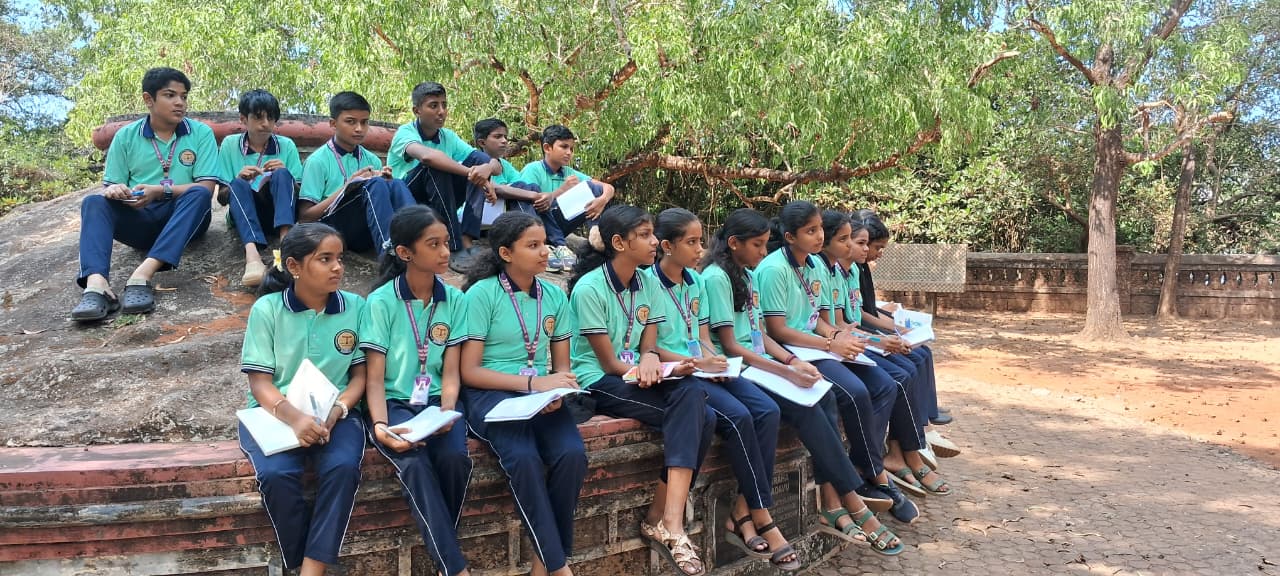
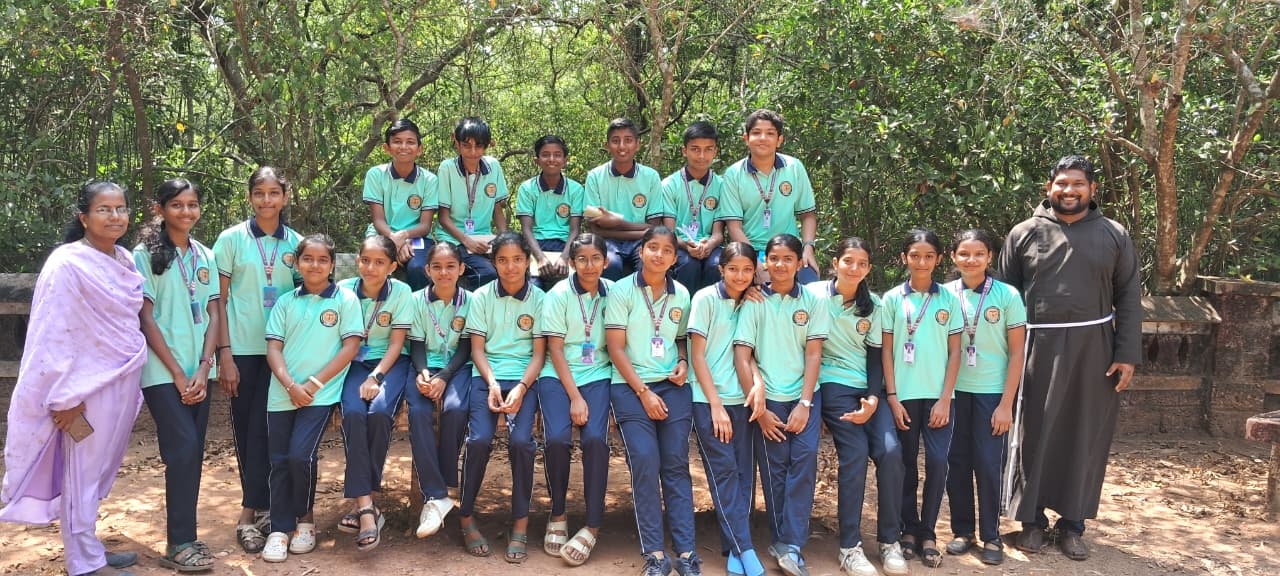
The Assisi Institute for Peace Studies, Kannur, in collaboration with the Peace Club of St. Francis English Medium School, Thottada, successfully organized an educational field trip titled “Gandhiji and Payyannur.” The initiative provided students with a unique opportunity to experience the lessons of peace and nonviolence beyond the classroom, connecting them directly with history and heritage.
Second Bardoli (Payyannur) – Kerala’s Dandi:
The trip aimed to introduce students to Payyannur’s significant role in Kerala’s freedom struggle, highlighting its contribution to the state’s history of resistance and nonviolent protest. By exploring these local landmarks, students were able to see history come alive and understand the courage and dedication of those who fought for independence.
🌊 Memories at Uliath Kadavu:
The first stop of the journey was the historic Uliath Kadavu. Here, students learned about the Salt Satyagraha of 1930, during which 32 freedom fighters, led by K. Kelappaji—often called the “Gandhi of Kerala”—walked from Kozhikode and openly defied the salt laws. Standing on this hallowed ground, students felt a surge of inspiration, witnessing how nonviolence served as a powerful tool to challenge even the mightiest empires.
From Uliath Kadavu to Gandhi Memorials: Cultivating a Historically Conscious Generation
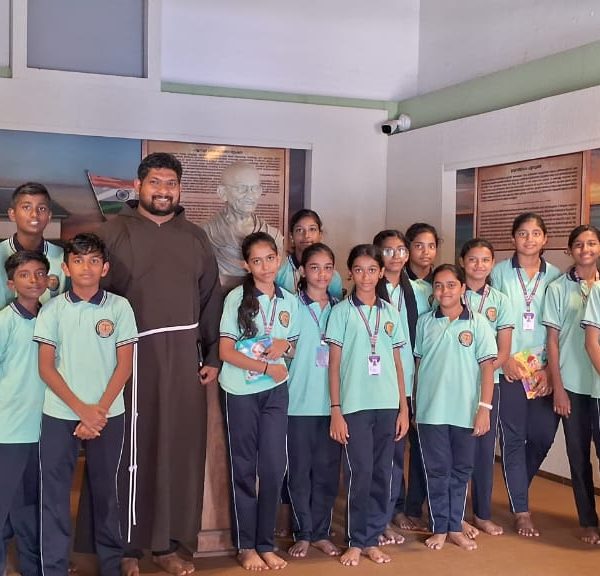
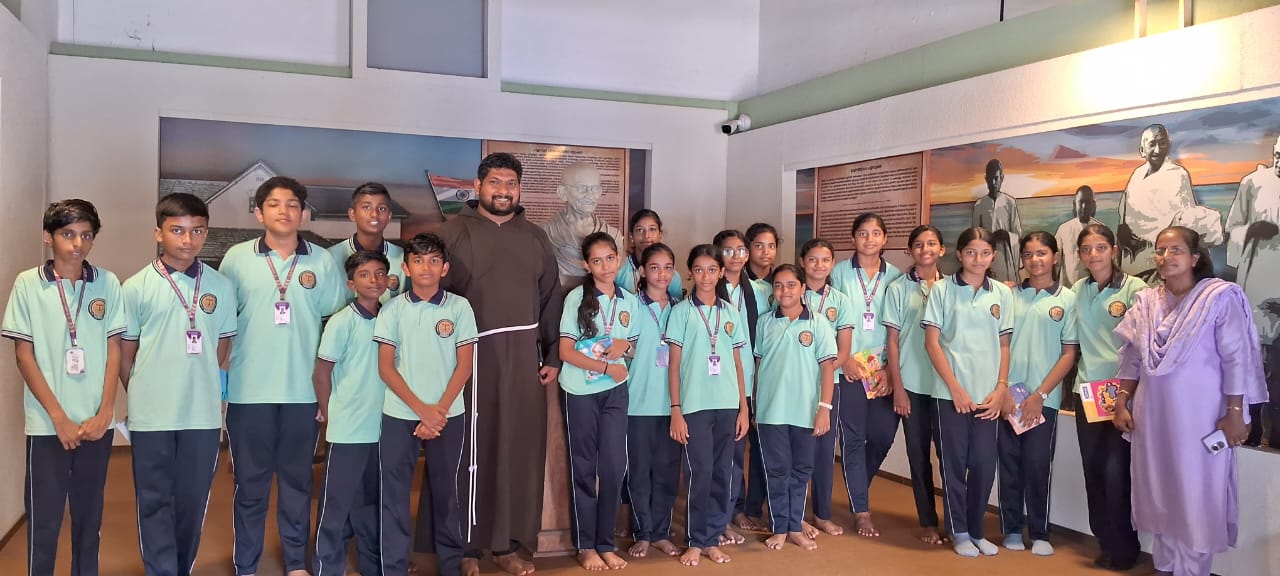
Following the visit to the Salt Satyagraha memorial at Uliath Kadavu, the Peace Club members of St. Francis English Medium School, Thottada, continued their educational journey to the Gandhi Museum in the heart of Payyannur. This visit offered students a unique opportunity to witness and experience Gandhiji’s life and India’s freedom struggle firsthand, beyond what they had learned from textbooks.
Highlights of the Museum Visit:
- Paths to Freedom: Students gained an in-depth understanding not only of Gandhiji’s leadership but also of Payyannur’s rich historical legacy and the valor of local freedom fighters who contributed to the nation’s independence.
- Respect for Sacrifices: The visit instilled a sense of gratitude among students, helping them appreciate the immense sacrifices made by countless individuals to secure the freedom they enjoy today.
- Gandhian Ideals: The life and teachings of Mahatma Gandhi, demonstrating how simplicity and perseverance can create profound societal change, left a lasting impression on the students.
The Assisi Institute for Peace Studies (AIPS) believes that reflecting on the lives of those who dedicated themselves to the nation helps nurture a generation that is historically aware, socially responsible, and committed to peace.
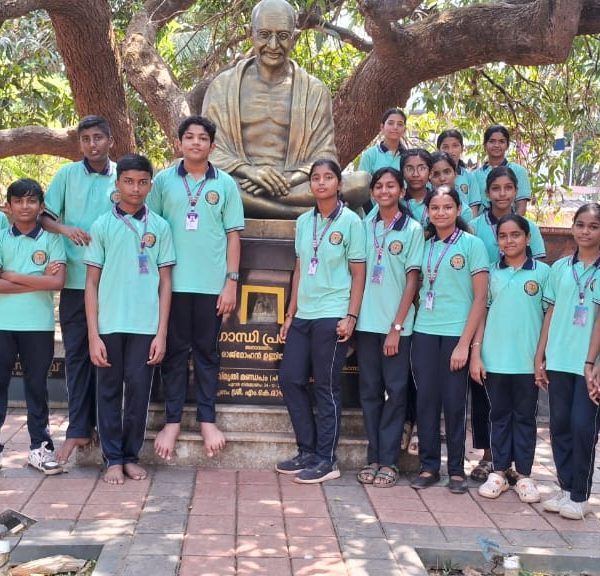
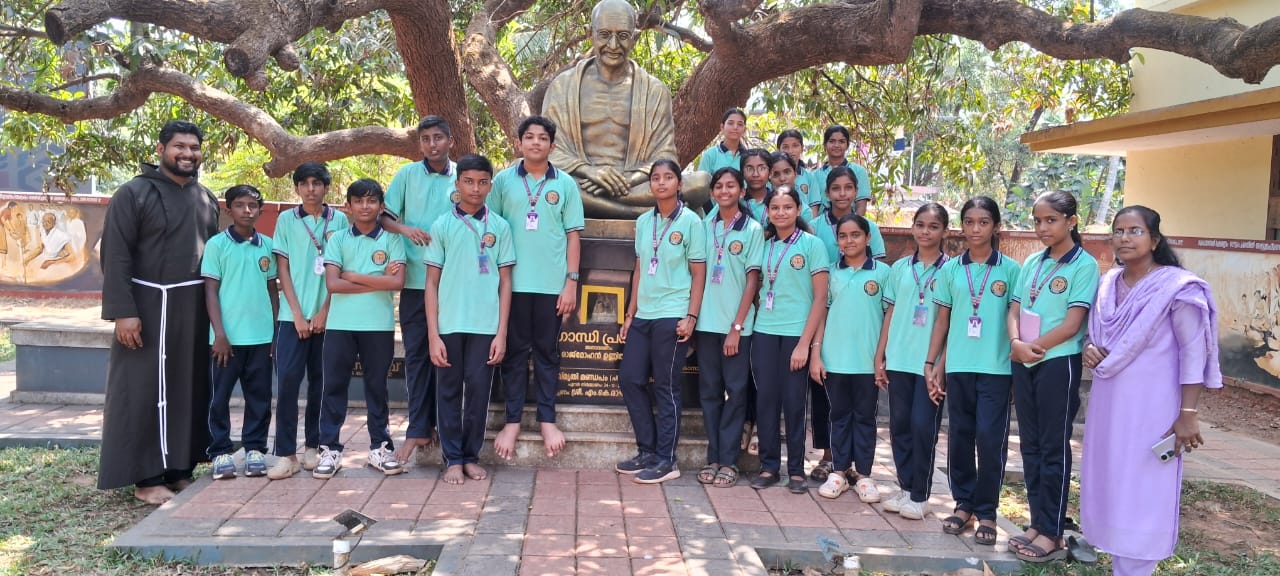
Following the museum, students visited the ashram established by Swami Anandatheertha, where they saw the Gandhimurti and learned about the social reforms and initiatives led by the Swami in Payyannur. This experience provided deeper insight into grassroots movements for social change. The educational journey concluded with a shared lunch, leaving students inspired and enriched by the lessons of history, courage, and service. By engaging directly with the sites and stories of the past, the students not only gained historical knowledge but also developed a deeper sense of civic awareness and an appreciation for the values of peace and nonviolence. The journey reinforced the idea that understanding our history is essential for nurturing responsible, conscious, and peace-oriented citizens. This educational trip was a vivid reminder that the principles of Gandhiji—courage, nonviolence, and justice—remain relevant today, inspiring the younger generation to carry forward the legacy of peace in their own lives.

HONORING THE YOUNG AMBASSADORS OF PEACE: AIPS INITIATIVE
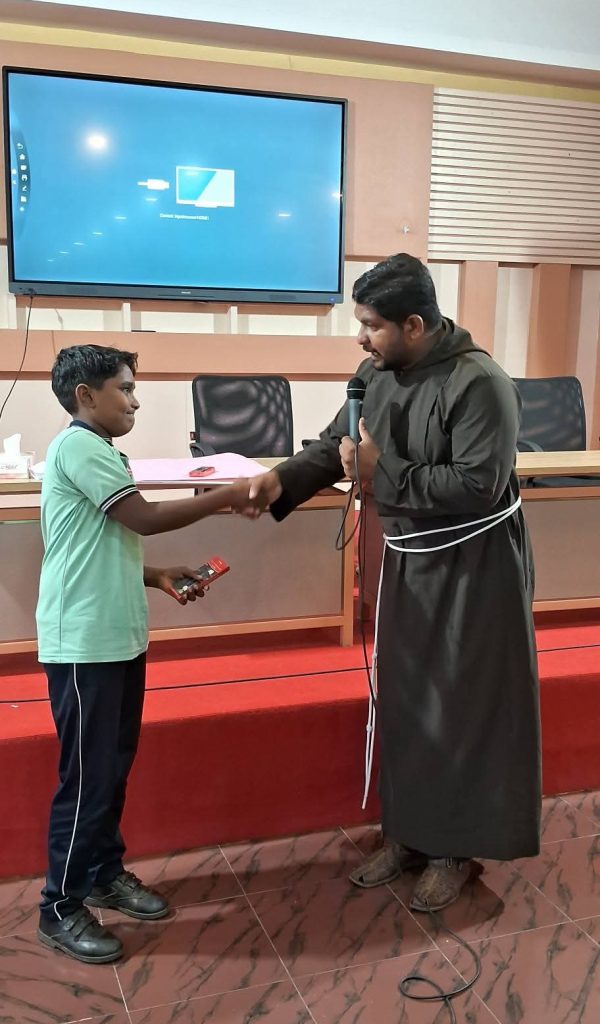
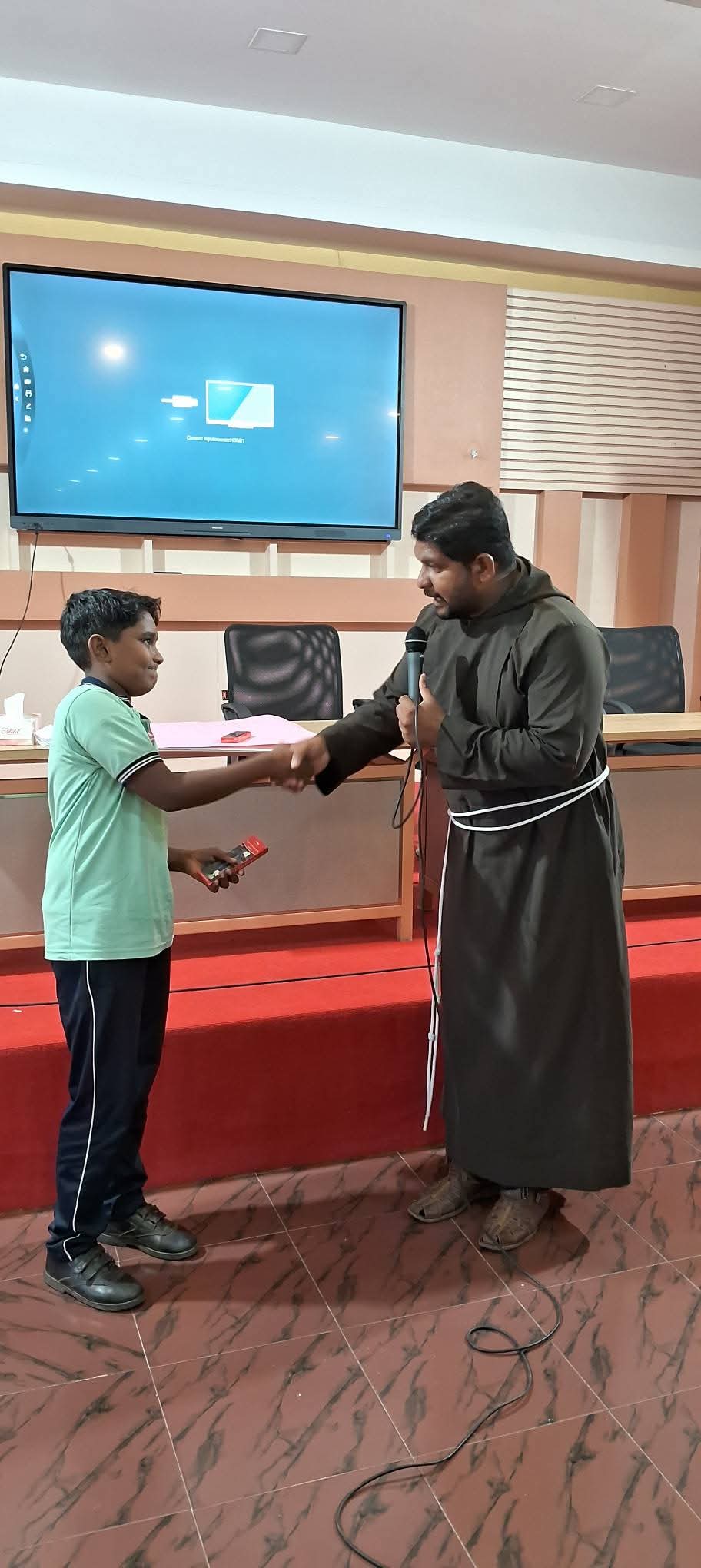
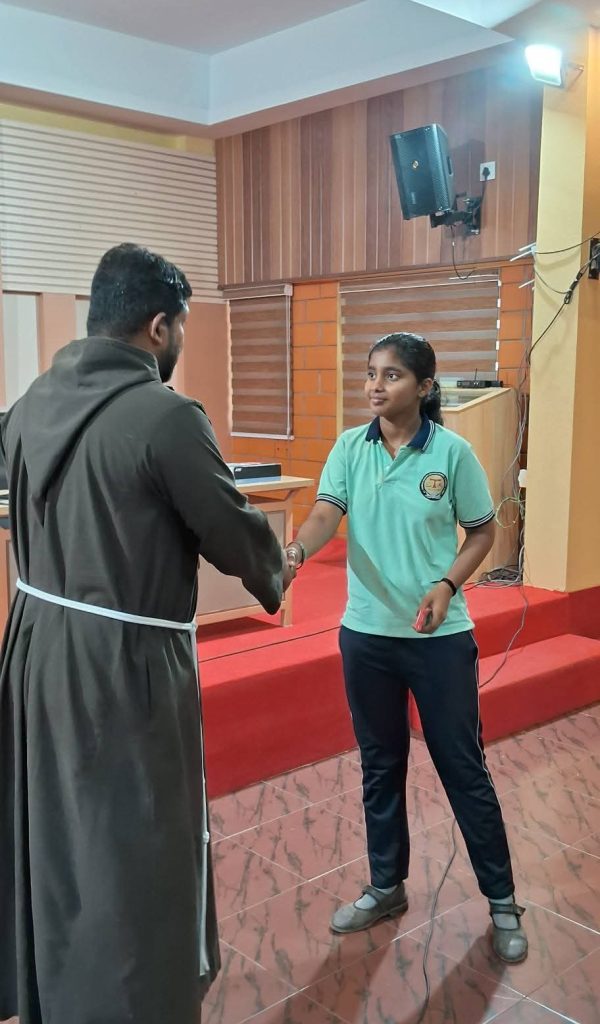
In an era where academic and sports achievements are often recognized; the Assisi Institute for Peace Studies (AIPS) has taken a pioneering step to encourage a different kind of excellence—the active engagement of students in peace-building initiatives. Recognizing that the world today urgently needs individuals committed to fostering harmony, AIPS aims to inspire and reward young minds dedicated to peace. As part of this effort, AIPS has launched a program to honour students across various schools who have demonstrated outstanding participation in peace-related activities. The initiative seeks to motivate children to continue contributing positively to their communities and to nurture the values of nonviolence, empathy, and cooperation from an early age.
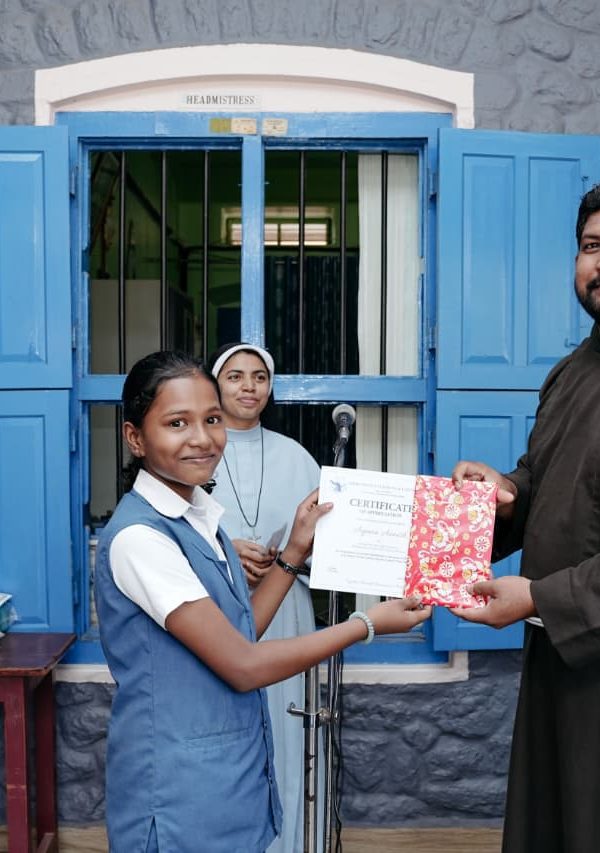
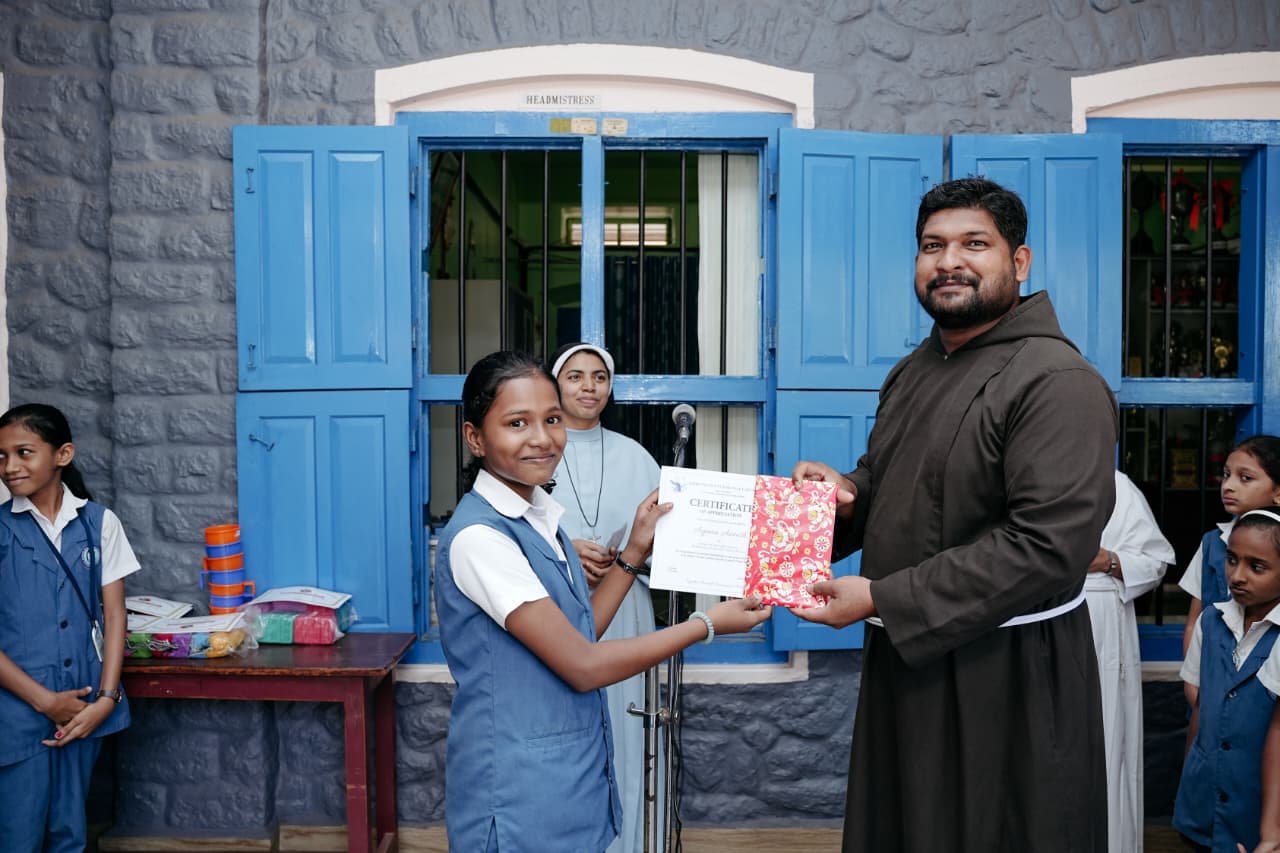
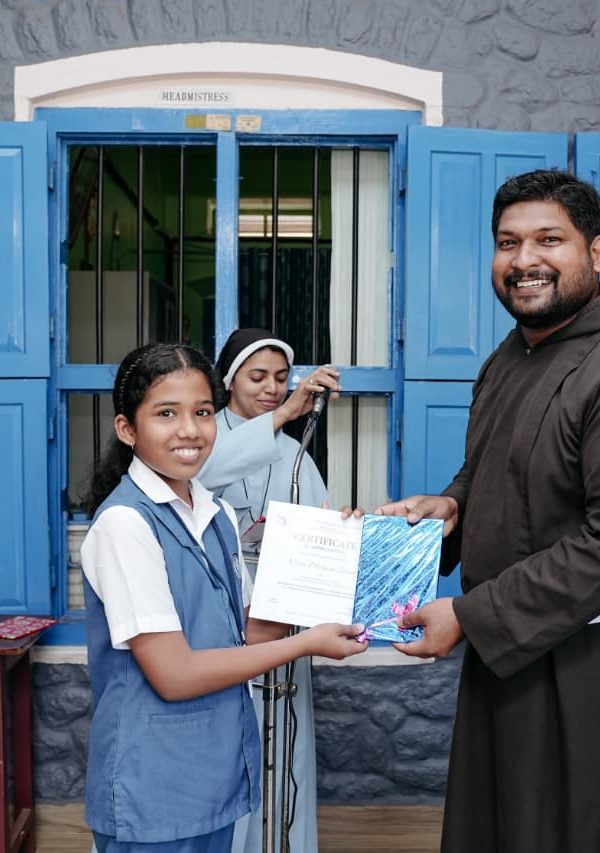
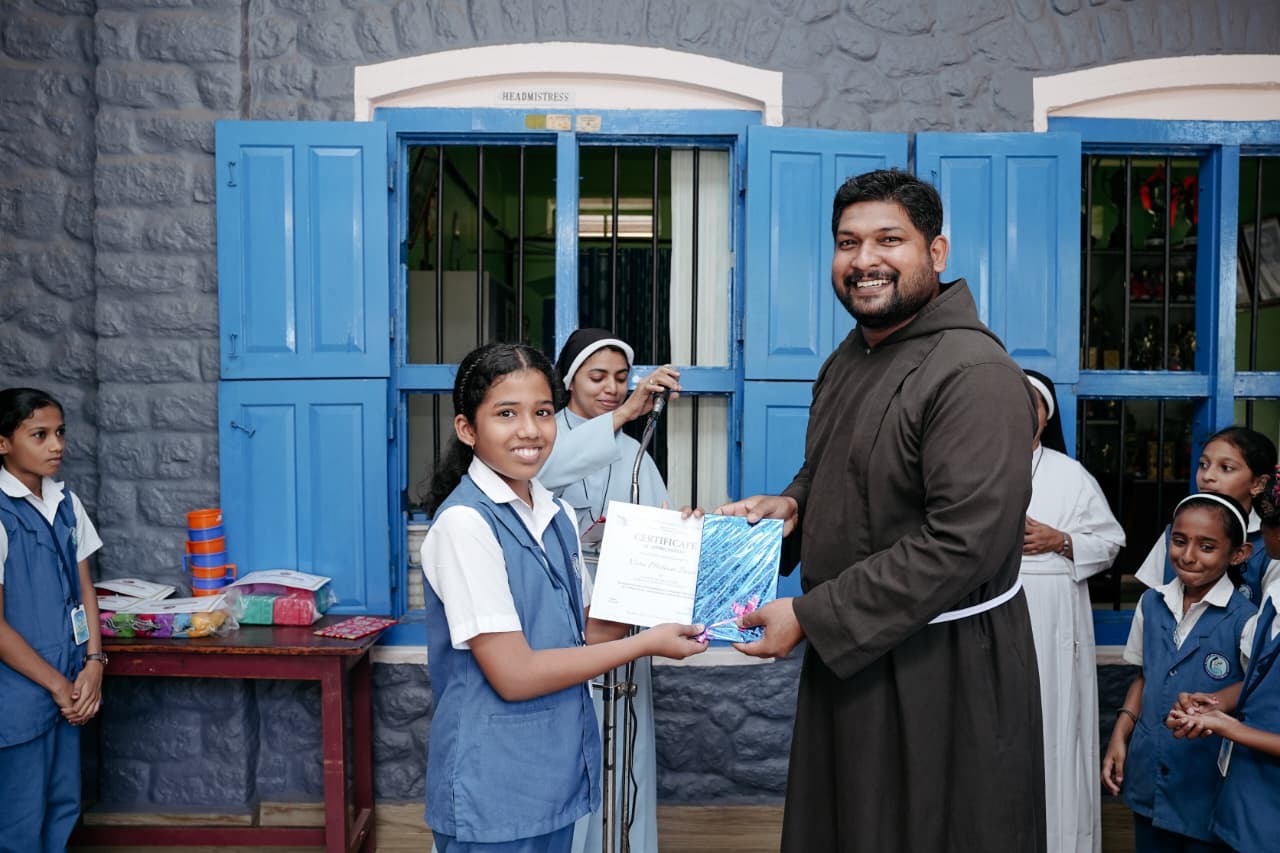
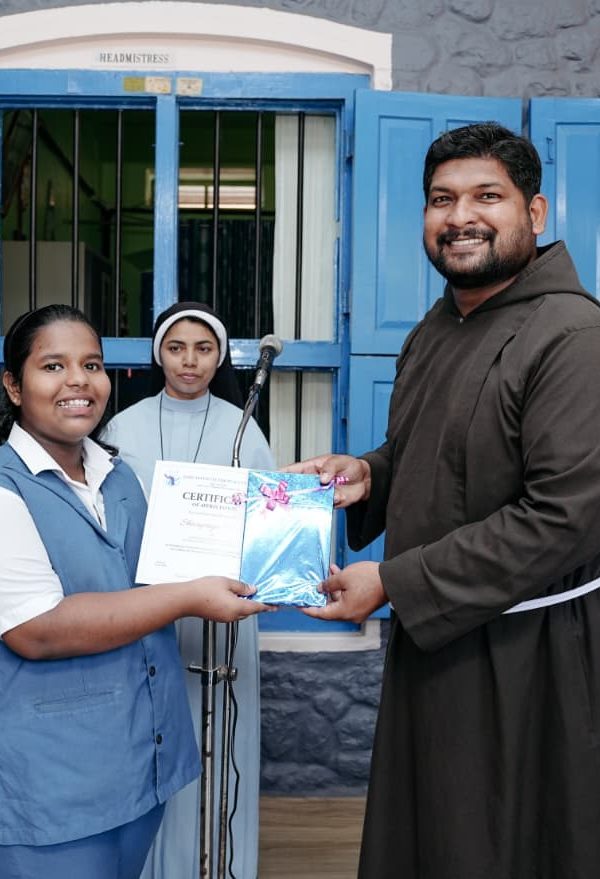
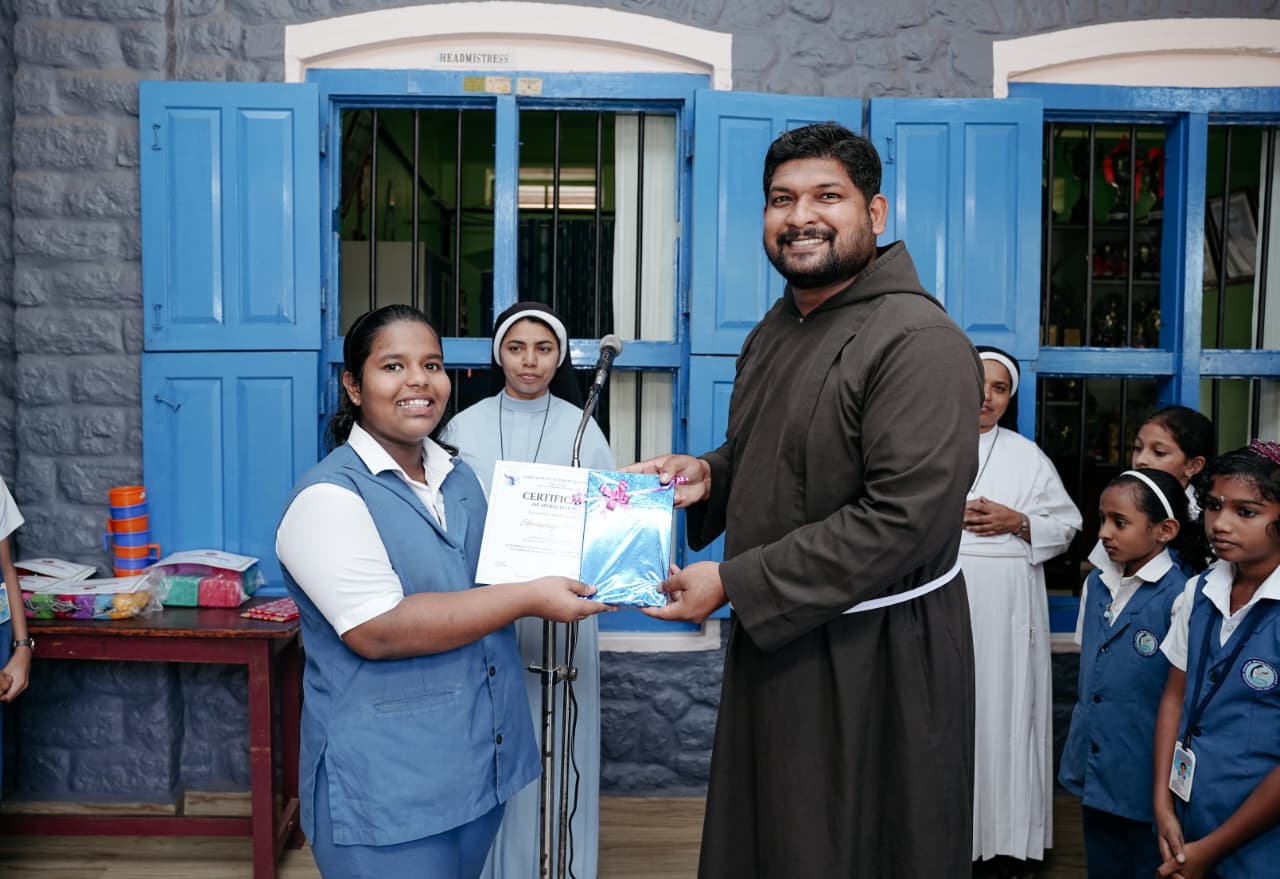
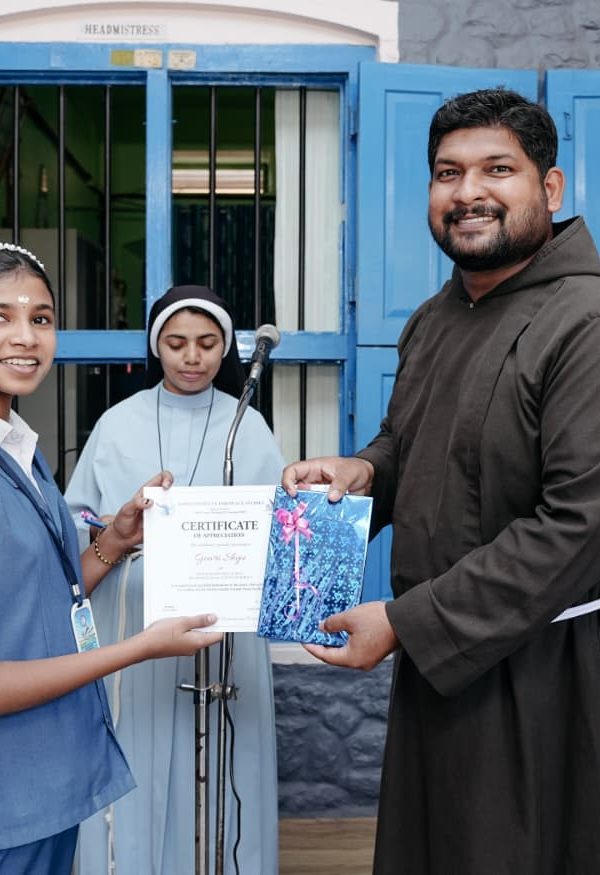
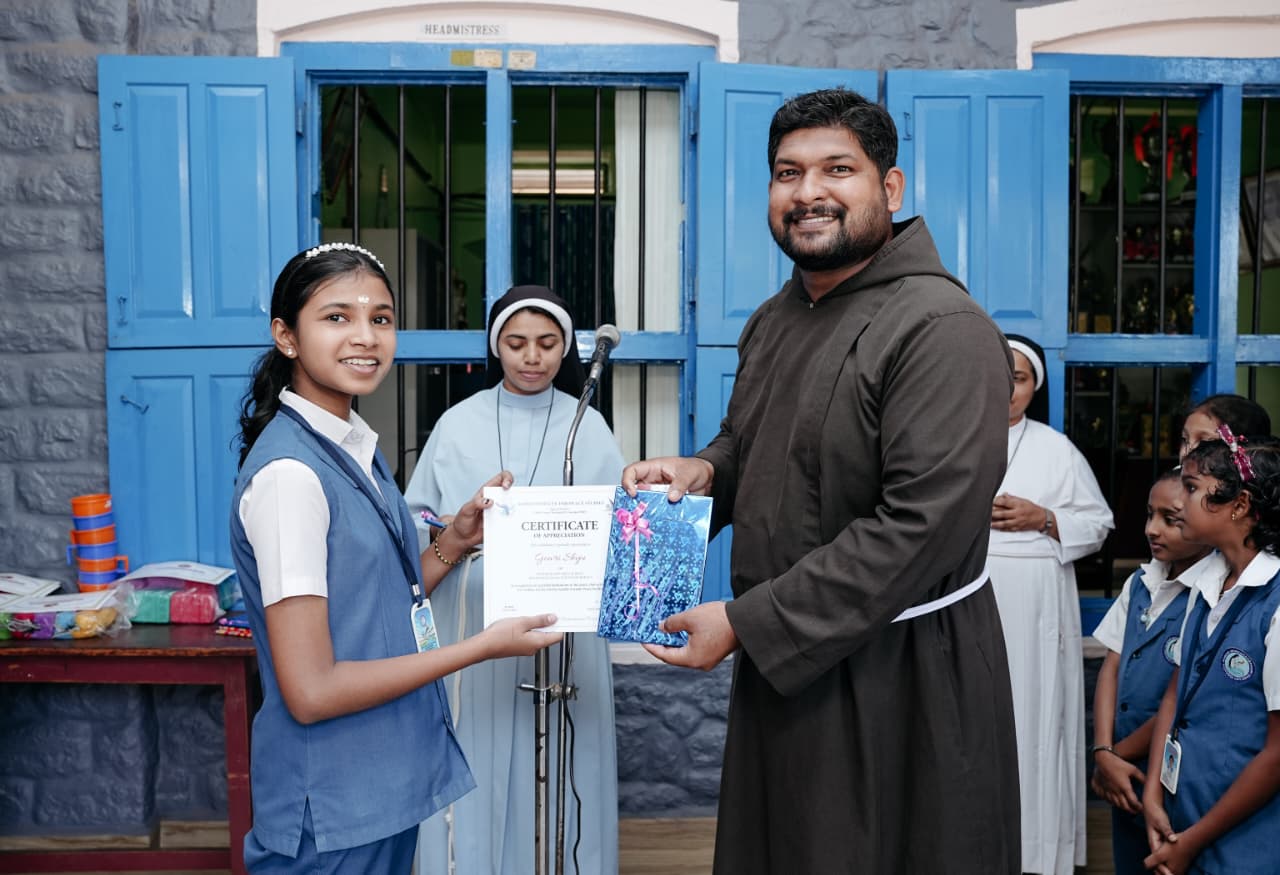
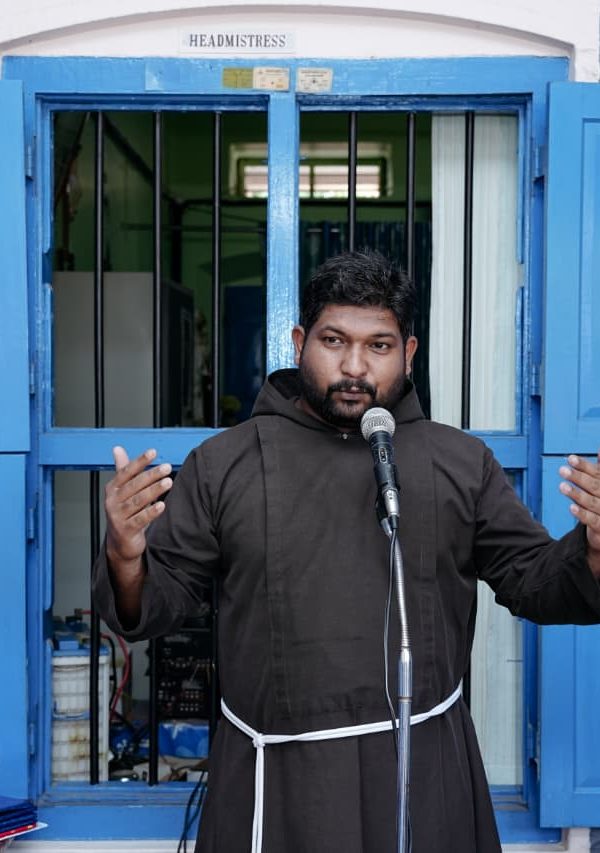
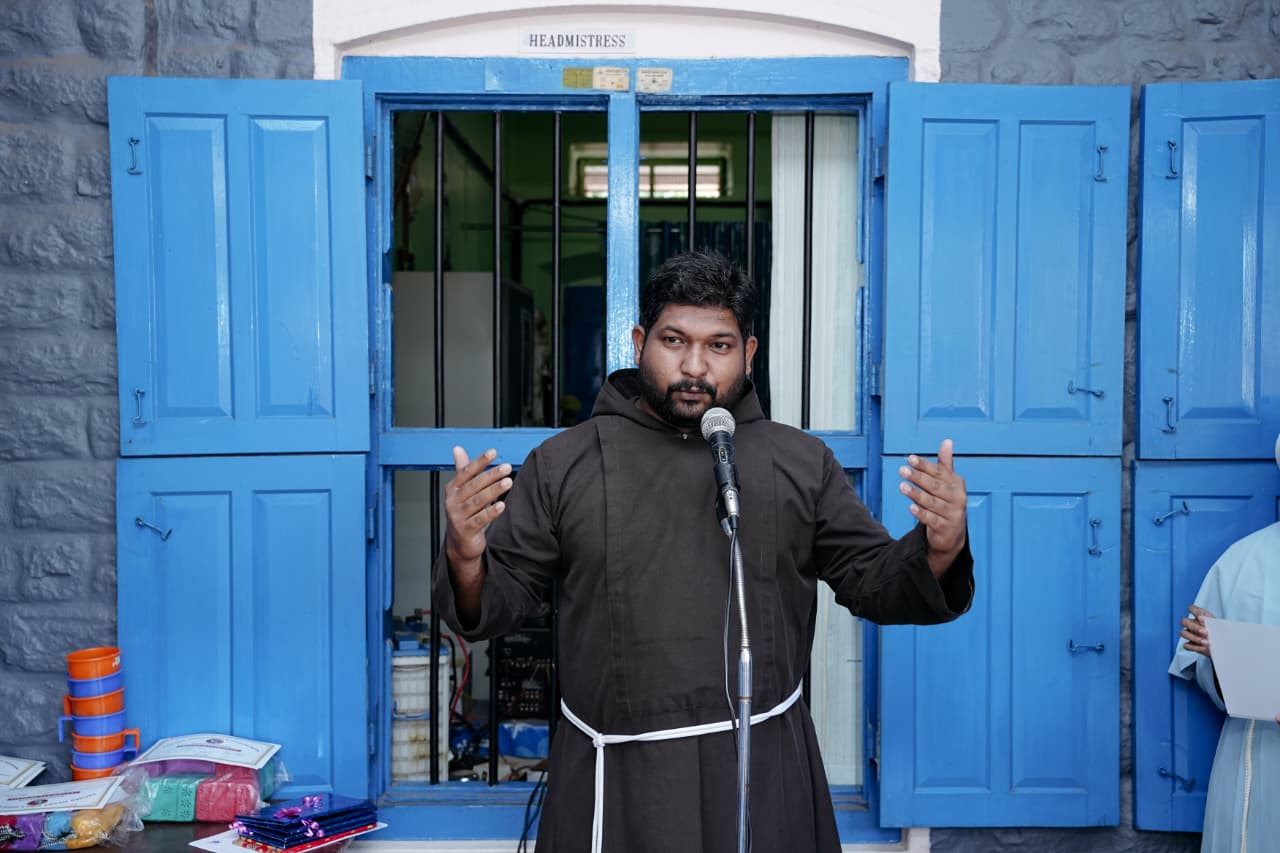
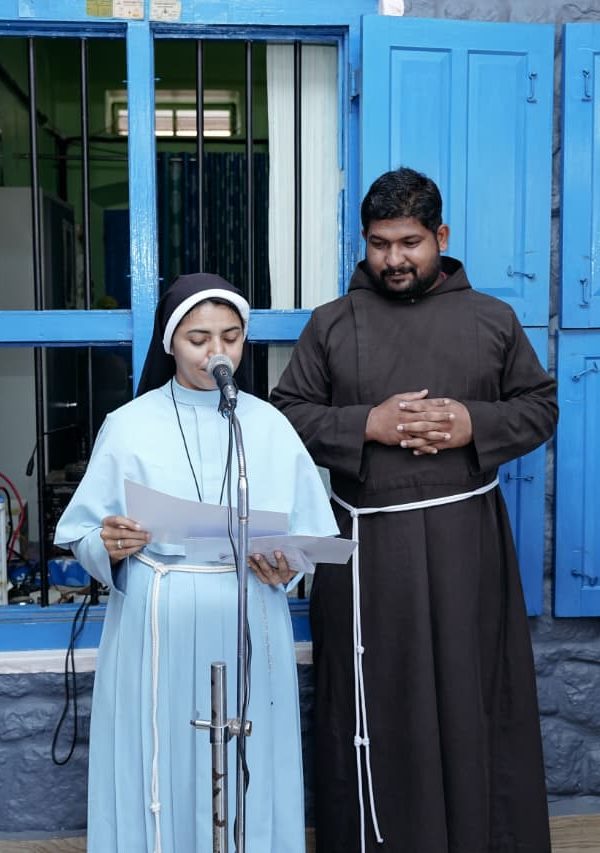
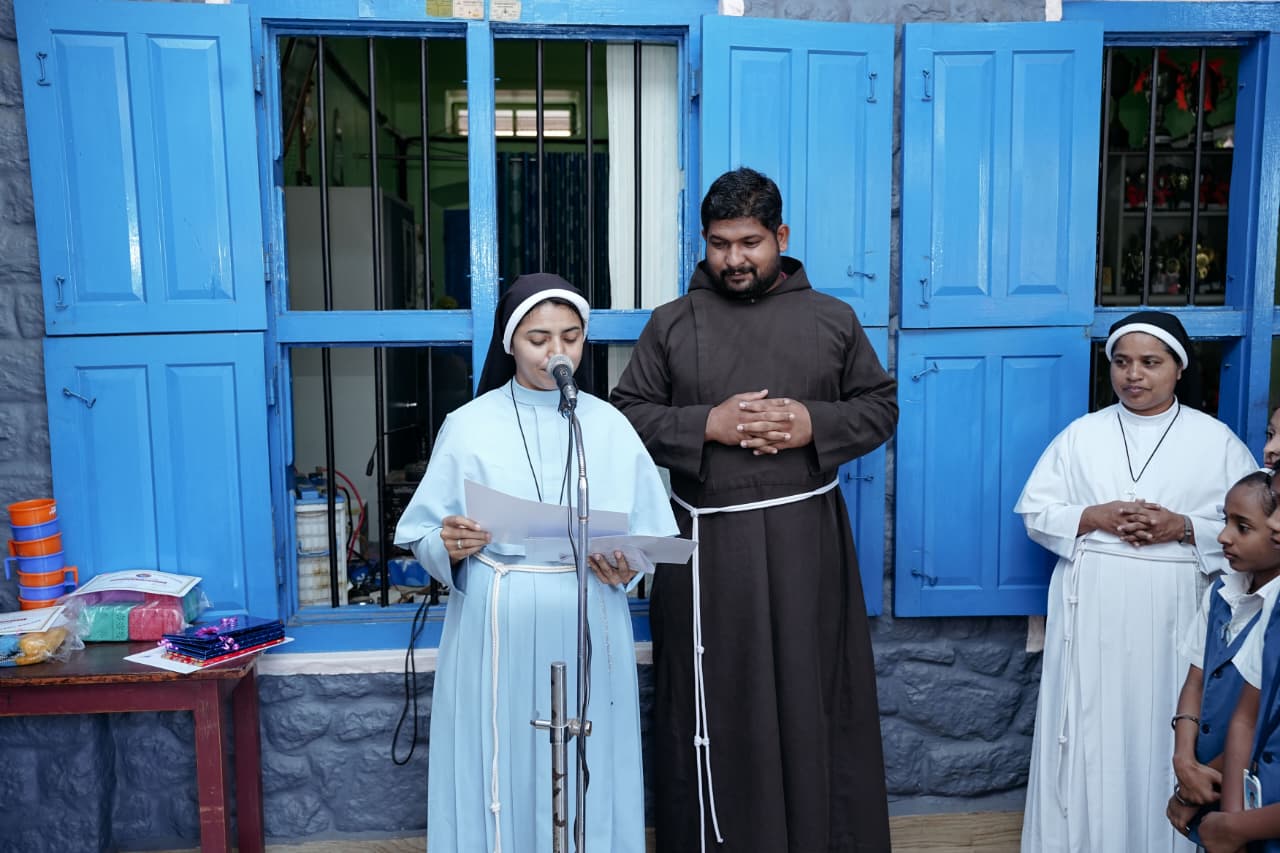
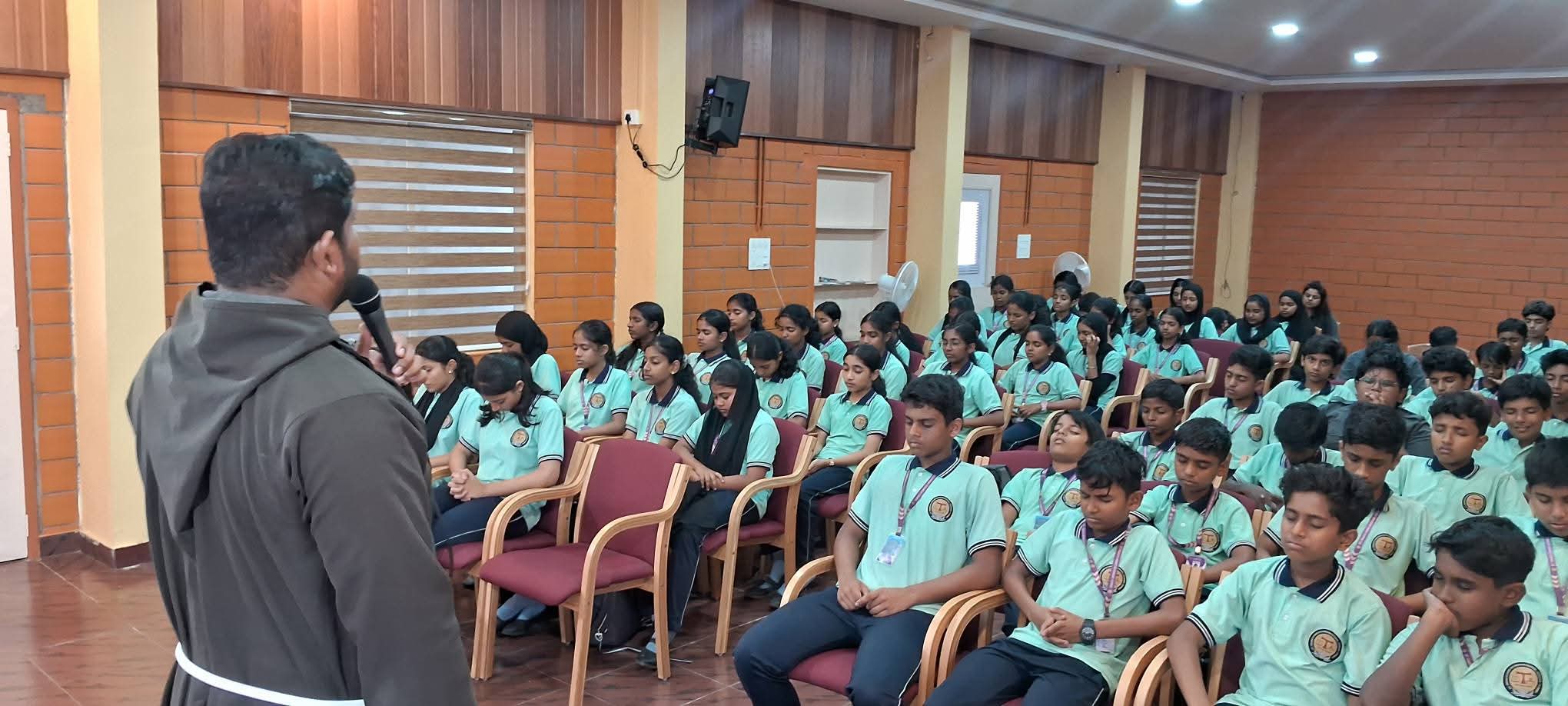
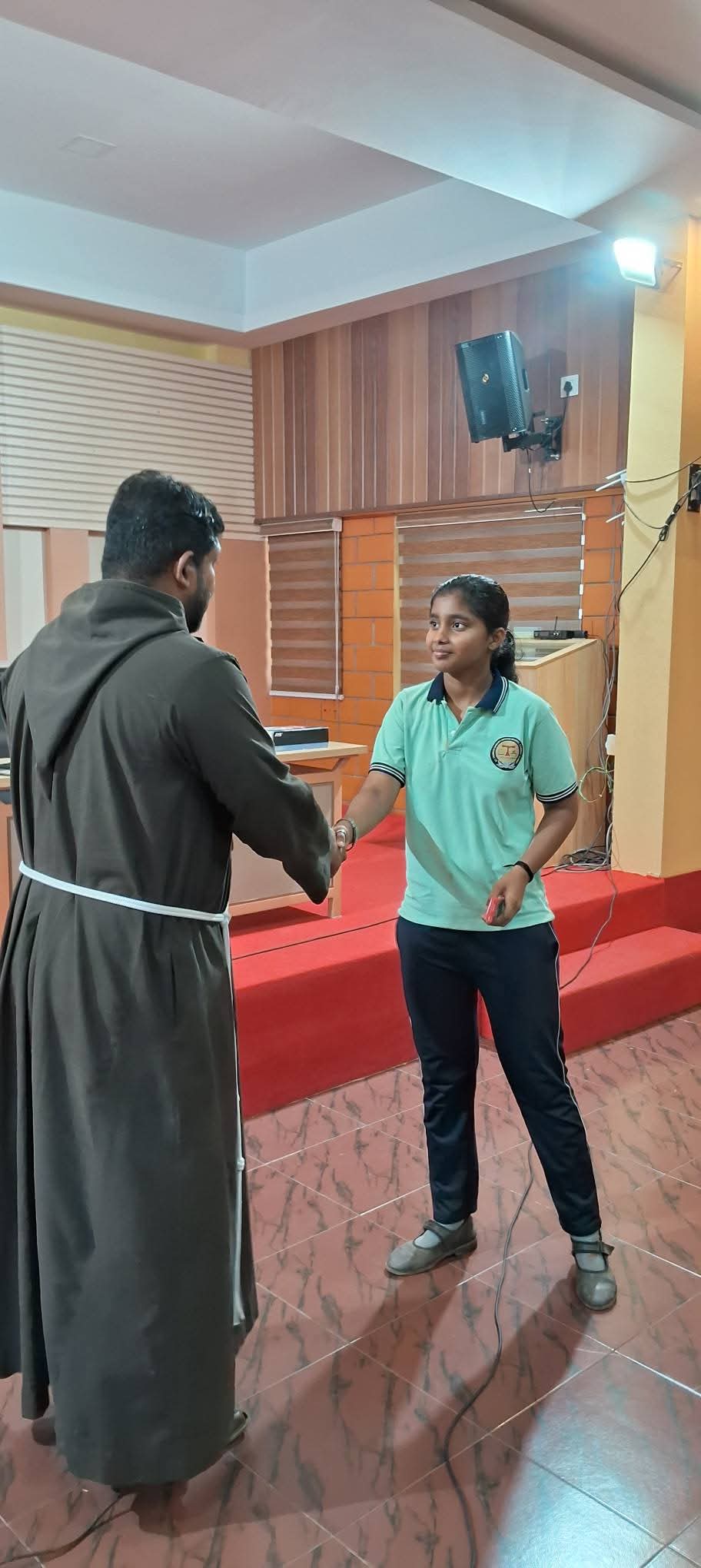
Recently, a prize distribution ceremony was held at Sacred Heart Girls High School on 20th of February 2026, where students actively involved in peace initiatives were recognized. Fr. Ditto Sebastian, Director of AIPS, graced the occasion and personally distributed awards and certificates to the deserving students. This initiative not only celebrates the efforts of young peace activists but also serves as a catalyst for cultivating a future generation committed to harmony and social responsibility. Heartfelt appreciation goes to all students and teachers who participated in this program and contributed to planting the seeds of peace in their schools and communities. 💐
CALM MINDS AND GREAT DREAMS: PEACE CLUB ACTIVITIES (18/02/2026)
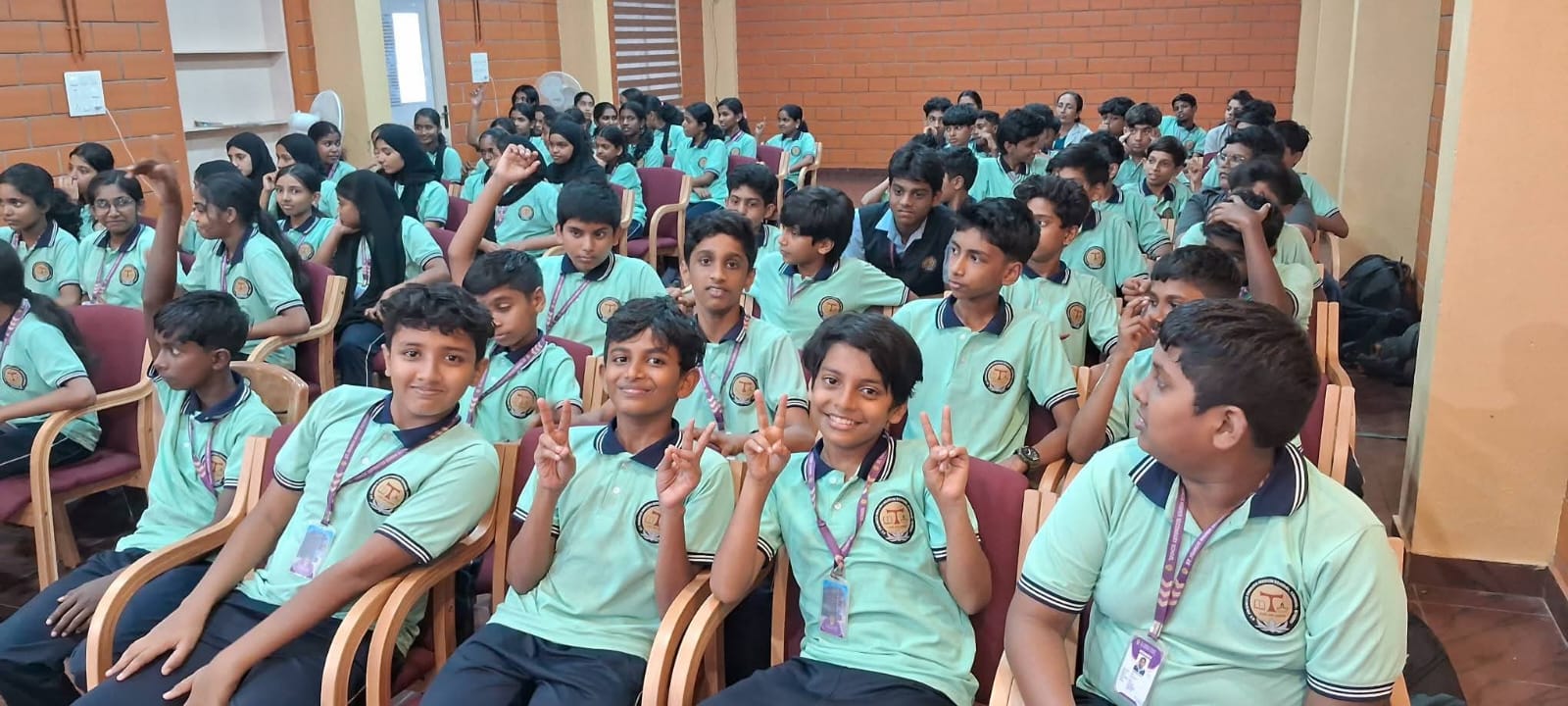
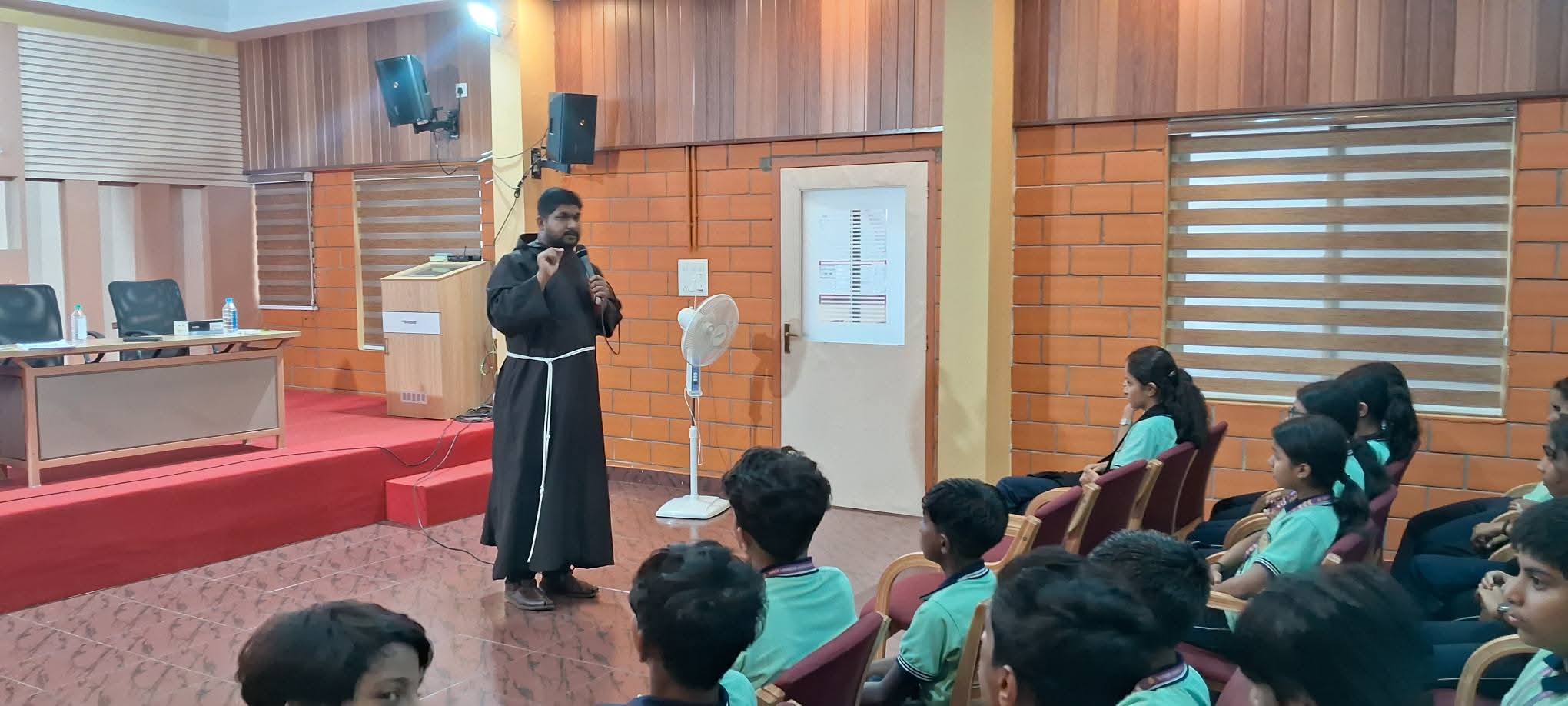
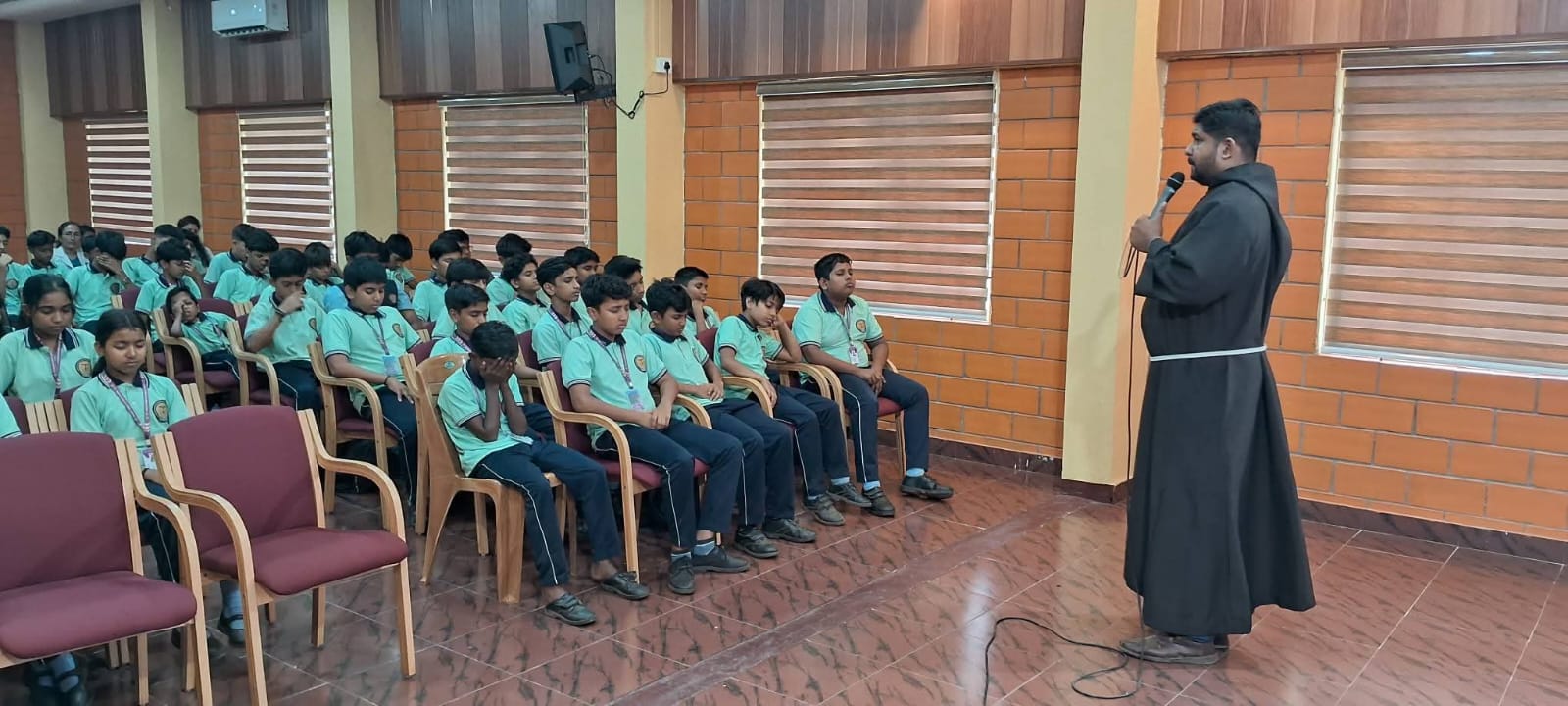
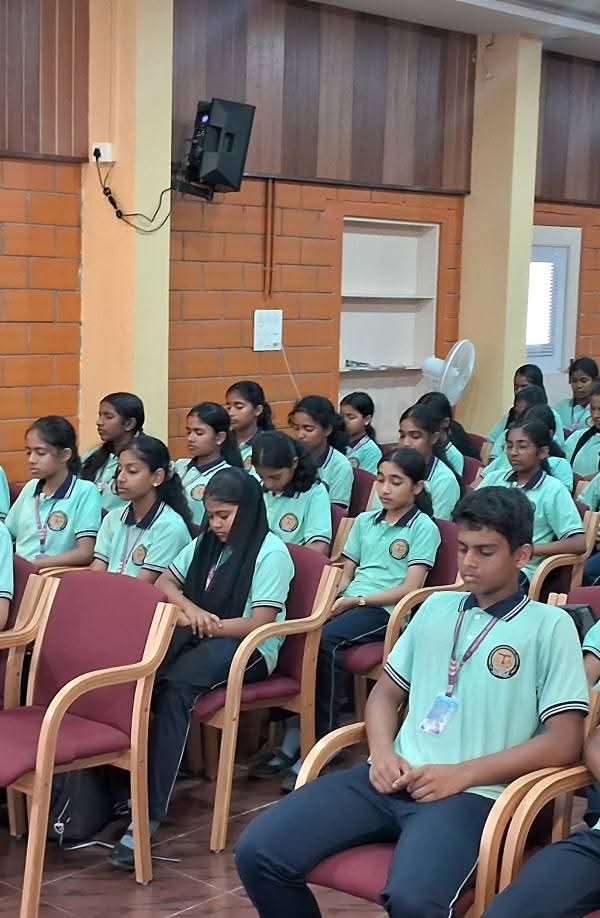
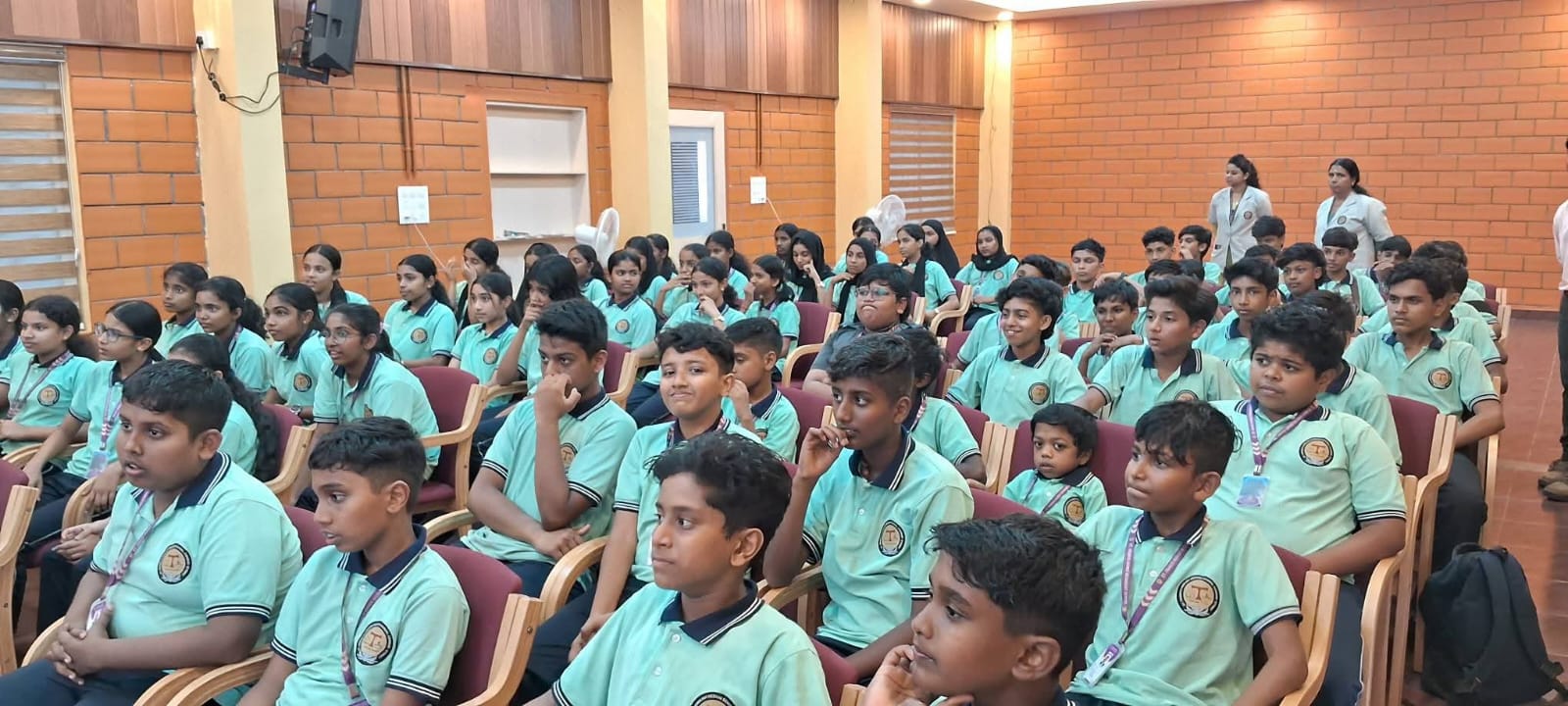
The journey towards peace begins within oneself. To spread peace to others, one must first learn to be calm and centered. With this guiding principle, the Peace Club activities for the week were conducted at St. Francis English Medium School, Thottada, on 18th February 2026. As in every session, the program commenced with a guided meditation session led by Fr. Ditto Sebastian. This practice played a vital role in helping students calm their minds, improve concentration, and develop inner awareness. By learning to regulate their thoughts and emotions, students took an important first step towards becoming true “peacemakers” in their daily lives. Following the meditation, students were shown a documentary based on the life of A. P. J. Abdul Kalam, one of India’s most respected leaders and an enduring inspiration for young minds. Introducing such role models is essential in today’s context, as it helps students shape their values and aspirations. Dr. Kalam’s simple lifestyle, unwavering dedication, and powerful vision for the future left a deep and lasting impression on the students. The session effectively combined inner reflection with inspirational learning, encouraging students not only to cultivate peace within themselves but also to dream big and work towards making a positive impact on the world. Through these thoughtfully designed Peace Club activities, students are gradually being guided to grow into individuals who are both emotionally balanced and socially responsible. The program reinforces the idea that true change begins within—echoing the timeless message: “Before we bring change in others, we must first transform ourselves.”
PEACE BEGINS WITHIN AND RADIATES TO THE WORLD
In today’s world, where discussions on global peace are increasingly relevant, a fundamental truth is often overlooked—peace begins within each individual. Recognizing this, the Assisi Institute for Peace Studies (AIPS), Kannur, through its Peace Club initiatives, continues to focus on nurturing inner peace among students as the foundation for building a more harmonious society. With the vision of helping children become true ambassadors of peace, AIPS emphasizes that peace is not merely an external concept but something that must grow from within and radiate outward. Only when individuals experience inner calm and balance can they meaningfully contribute to peace in their families, communities, and the wider world.
As part of this mission, a series of Peace Club activities was conducted on 11th February 2026 at St. Francis English Medium School, Thottada. The program was thoughtfully designed to help students understand and experience peace in a practical and personal way. One of the key components of the session was mindfulness meditation, which enabled students to calm their minds, focus their thoughts, and connect with their inner selves. This practice helped them develop emotional awareness and a sense of inner stability—essential elements for cultivating peace. In addition to meditation, the program also encouraged open and meaningful dialogue among students. They were given a safe and supportive space to express their ideas, share their feelings, and listen to others without fear or hesitation. This exchange of thoughts not only boosted their confidence but also helped them feel valued and understood, thereby strengthening their sense of inner peace.
The activities highlighted the importance of creating an environment where students feel heard, respected, and emotionally secure. By combining reflective practices with interactive engagement, the Peace Club initiative succeeded in making the concept of peace both relatable and achievable for young minds. Through such efforts, AIPS aims to go beyond simply promoting peace as an ideal. Instead, it seeks to form individuals who embody peace in their thoughts, words, and actions. The initiative reflects a deeper commitment to shaping a generation that carries peace within and actively spreads it in society. The glimpses from the activities held at St. Francis English Medium School stand as a testimony to this meaningful journey—one that begins within the hearts of children and gradually extends to the world around them.
PEACE BEGINS WITHIN: EXPLORING THE FOUR DIRECTIONS OF PEACE
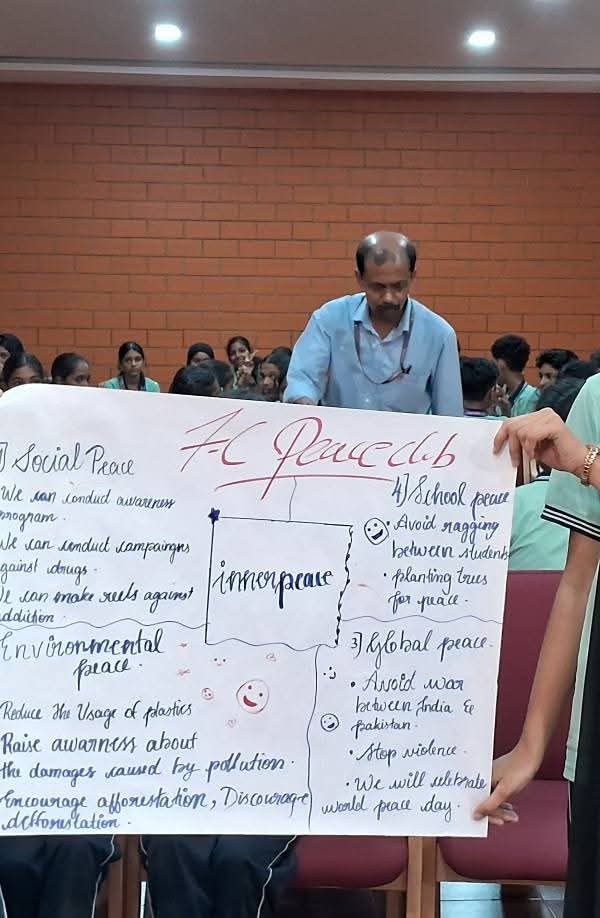
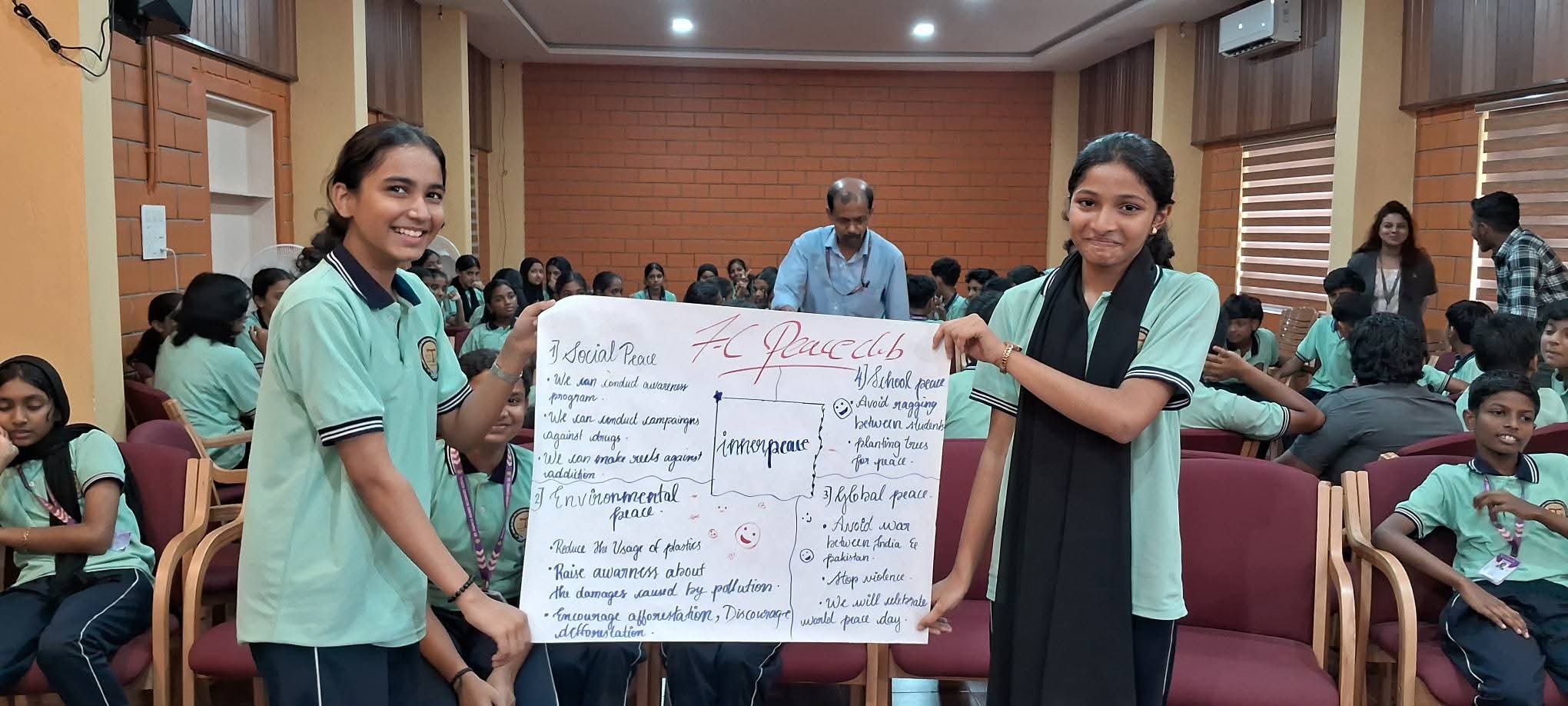
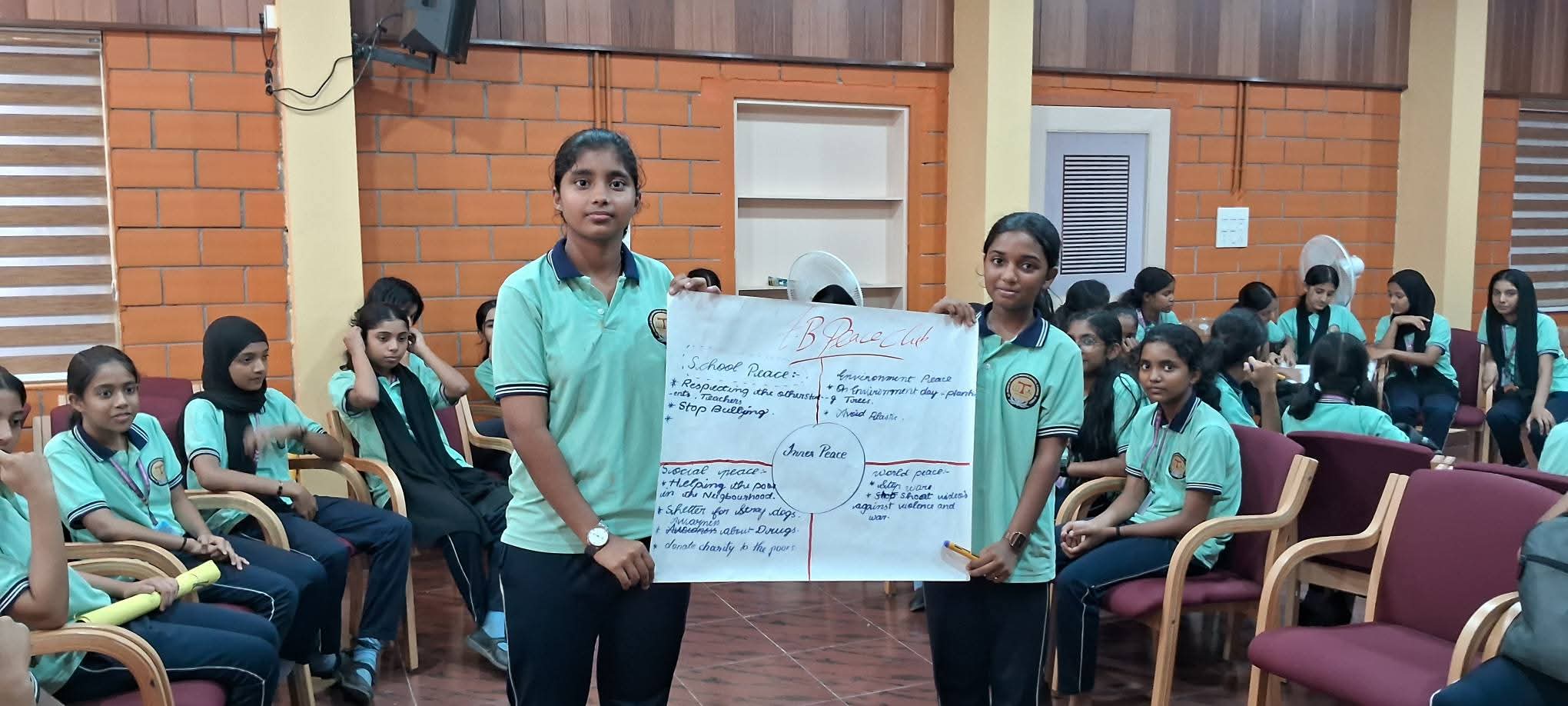
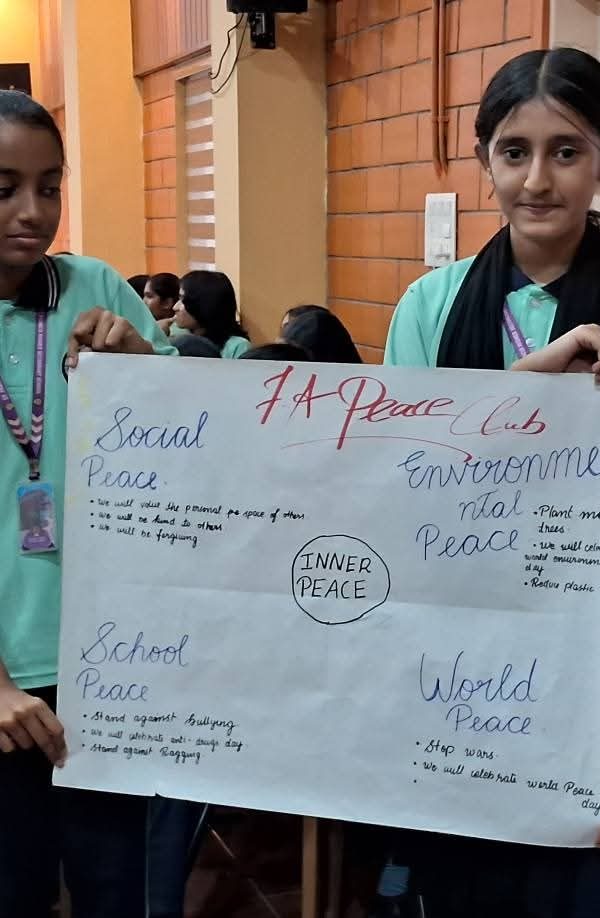
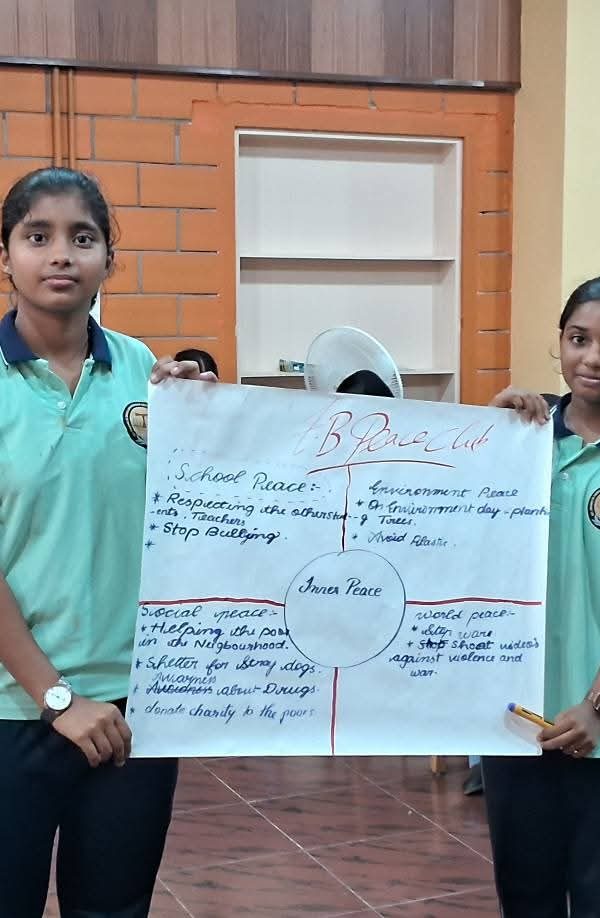
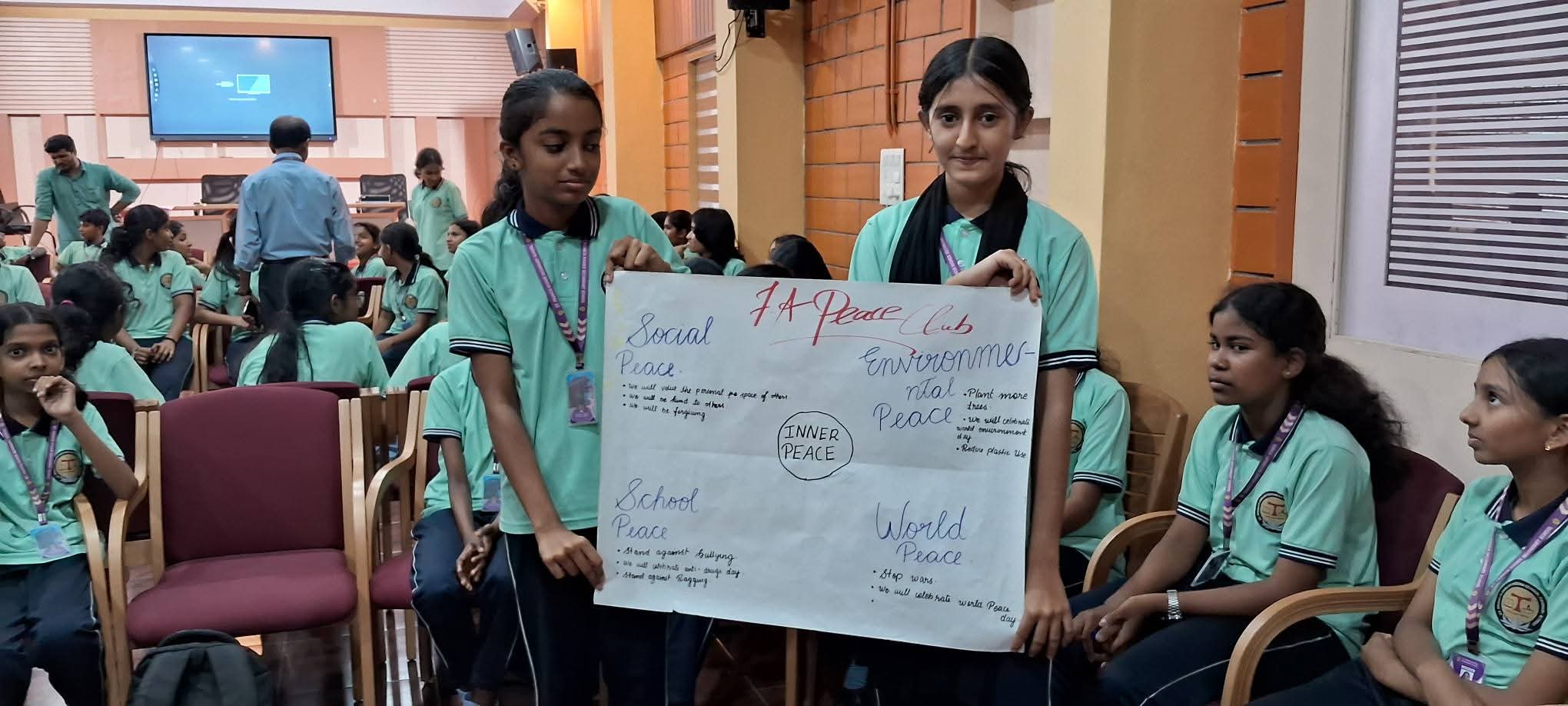
Peace is not merely something to be spoken about; it is a value that must begin within each individual and gradually spread to the wider world. Recognizing this profound truth, an innovative activity was organized on 4th February 2026 at St. Francis English Medium School, Thottada, under the initiative of the Peace Club. Titled “4 Directions of Peace,” the activity encouraged students to reflect deeply on the different dimensions of peace and how it can be practiced in everyday life. At the center of the activity was a simple yet powerful idea—that true peace starts from within. Students illustrated this by drawing a circle at the center of a chart, symbolizing inner peace, and then dividing it into four meaningful zones representing different aspects of peace.
The four areas explored were:
Social Peace: How can we maintain peaceful relationships with friends, family, and those around us?
Environmental Peace: What can we do to protect nature and live in harmony with the environment?
School/Town Peace: How can we contribute to creating a peaceful atmosphere in our school and community?
World Peace: As young individuals, what dreams and actions can we envision for a peaceful world?
Students enthusiastically participated by writing down practical actions they could take in each of these areas. Their responses reflected creativity, awareness, and a sincere desire to contribute positively to society. More than just an activity, it became a learning experience that helped students realize that even small actions can make a significant difference in promoting peace. The initiative successfully moved beyond theoretical understanding and inspired students to take personal responsibility for building peace in their surroundings. It instilled confidence in them that they, too, can be agents of change. Heartfelt appreciation goes to the enthusiastic students for their creative contributions and to the dedicated teachers who guided and facilitated this meaningful activity. Such initiatives continue to strengthen the vision of nurturing a generation committed to peace, harmony, and responsible citizenship.
2026
JANUARY
PEACE CLUB ACTION PLAN INITIATED AT ST. FRANCIS ENGLISH MEDIUM SCHOOL, THOTTADA
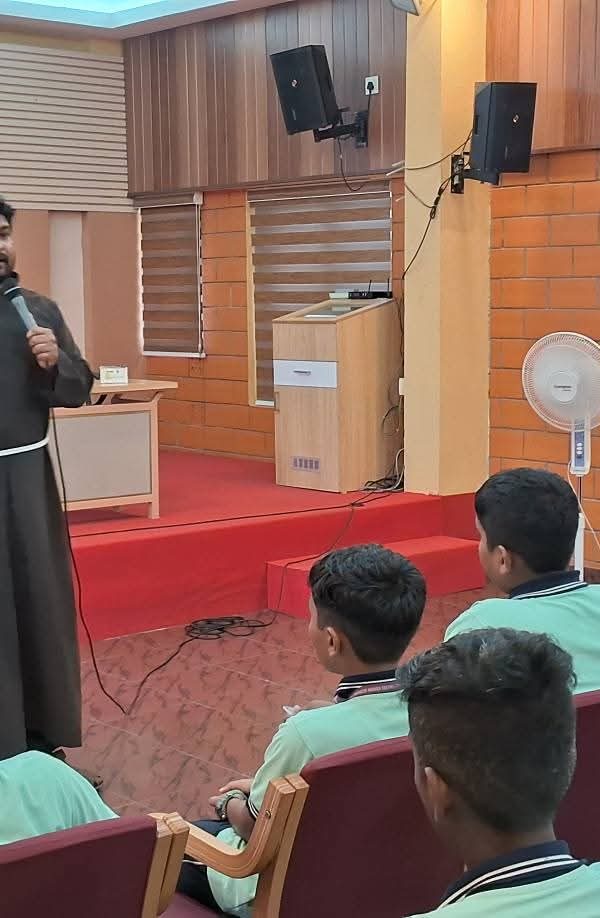
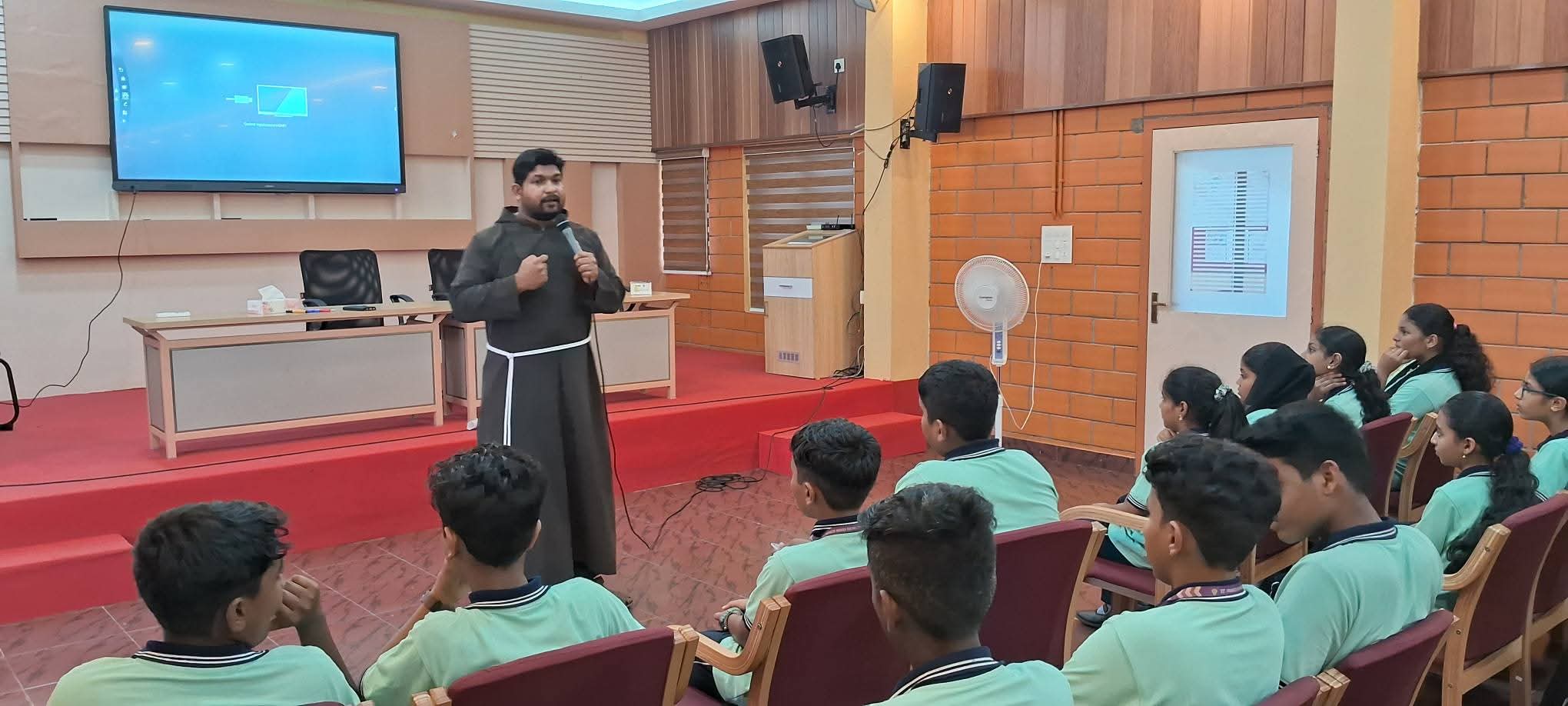
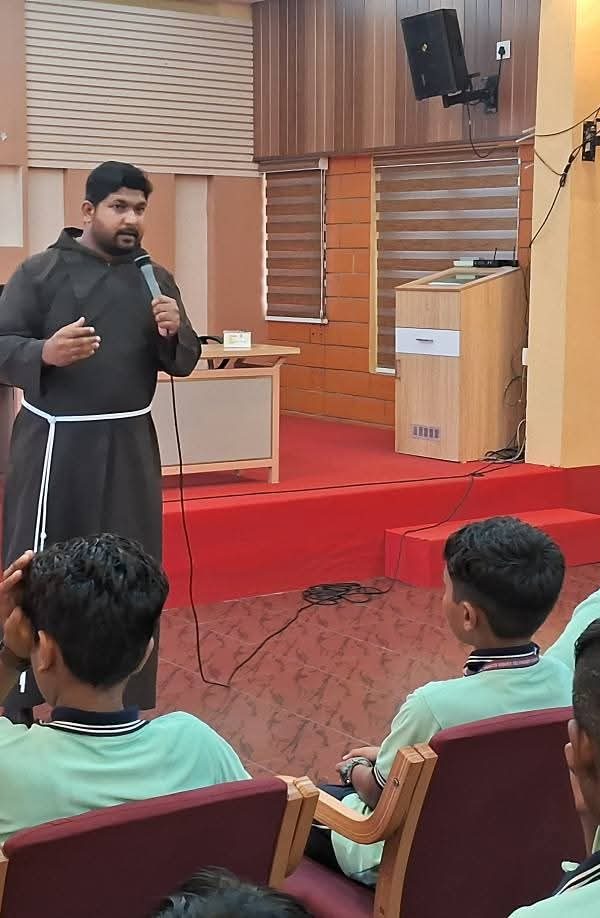
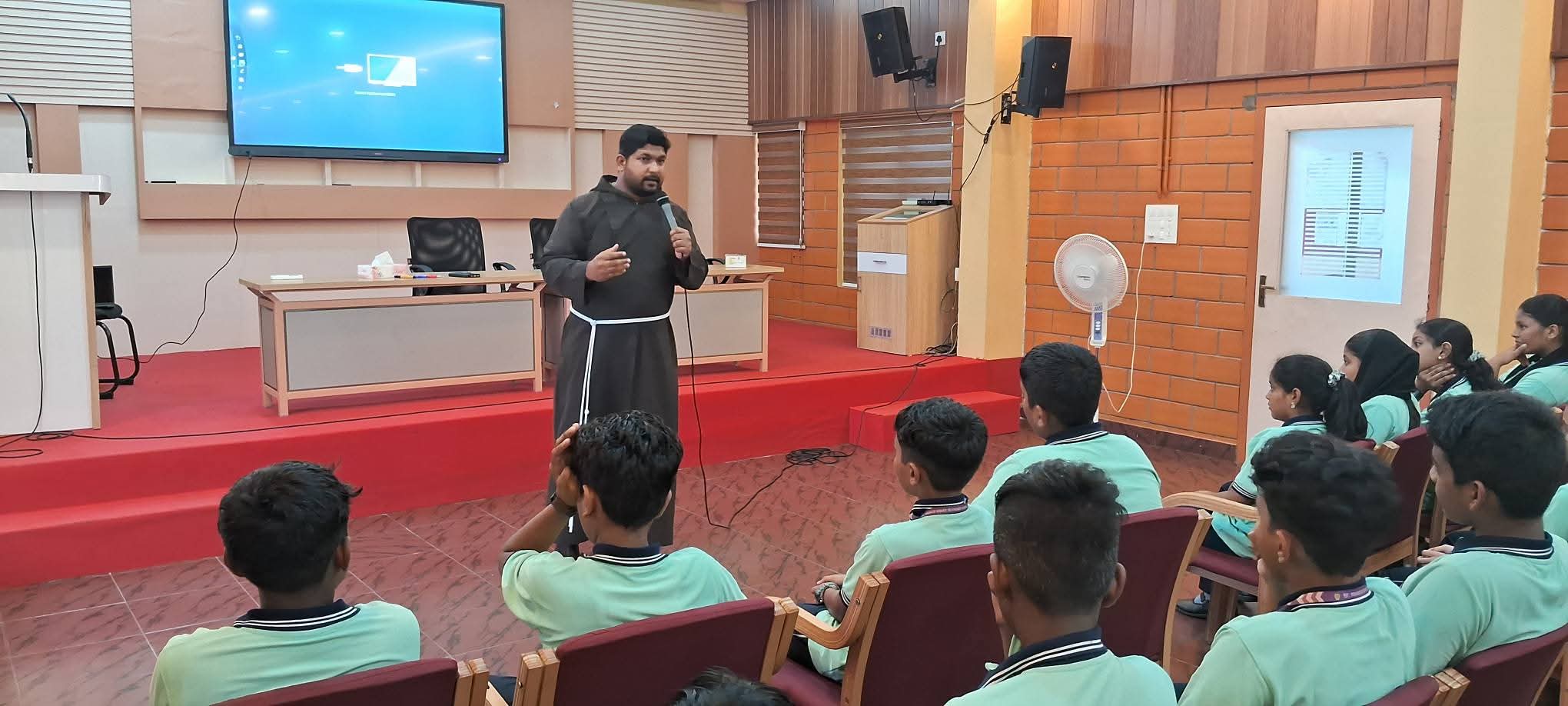
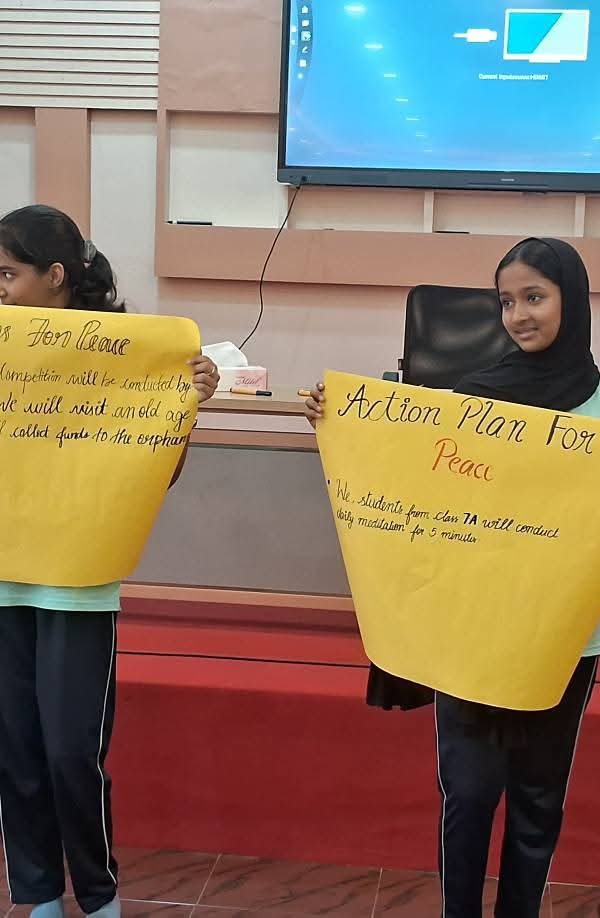
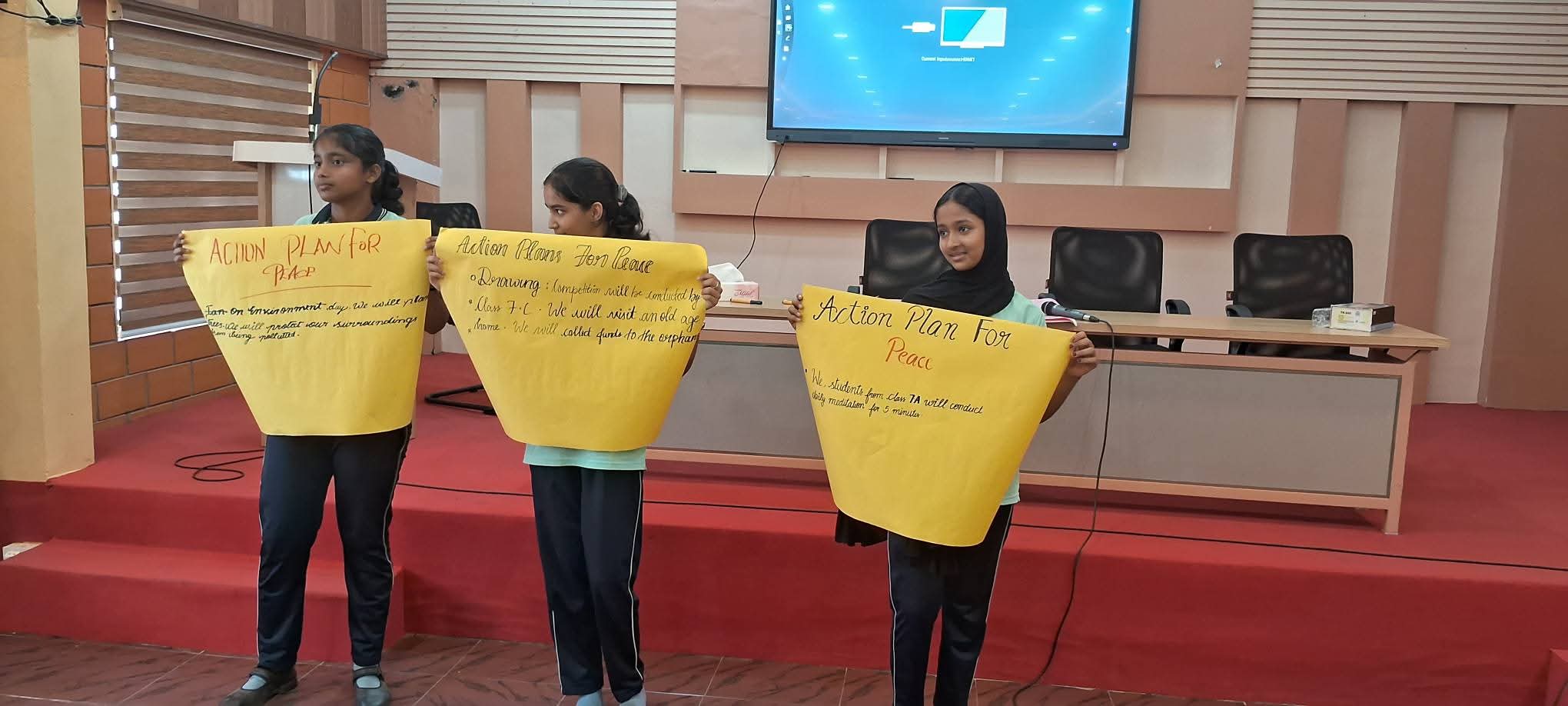
As part of the ongoing Peace Club initiatives, a meaningful gathering of students was organized at St. Francis English Medium School, Thottada, on 28th January 2026. The program marked an important step in strengthening peace education among students through structured and engaging activities. The session was led by Fr. Ditto Sebastian, Director of Assisi Institute for Peace Studies, who guided the students in formulating a comprehensive Peace Club Action Plan. The initiative aimed at involving students actively in peace-building efforts by giving them a clear direction and purpose in their activities throughout the year. The program began with a session of mindfulness meditation, creating a calm and reflective atmosphere among the participants. This helped the students to focus, become more aware of their thoughts and emotions, and prepare themselves to understand the deeper meaning of peace. The Peace Club activities were thoughtfully designed to help children clearly understand what peace truly means, not just as an abstract concept but as a way of life. Through interactive discussions and guided planning, students were encouraged to explore how peace can be practiced in their daily lives—through respect, kindness, cooperation, and responsible behavior. The formation of the action plan ensured that the Peace Club would function in a systematic and meaningful manner, with activities aimed at promoting harmony within the school and the wider community. The session also inspired students to take ownership of peace initiatives and become active ambassadors of peace. This initiative reflects the continued commitment of the Assisi Institute for Peace Studies in nurturing young minds and fostering a culture of peace at the grassroots level.
INSPIRING YOUNG VOICES FOR PEACE THROUGH STORYTELLING
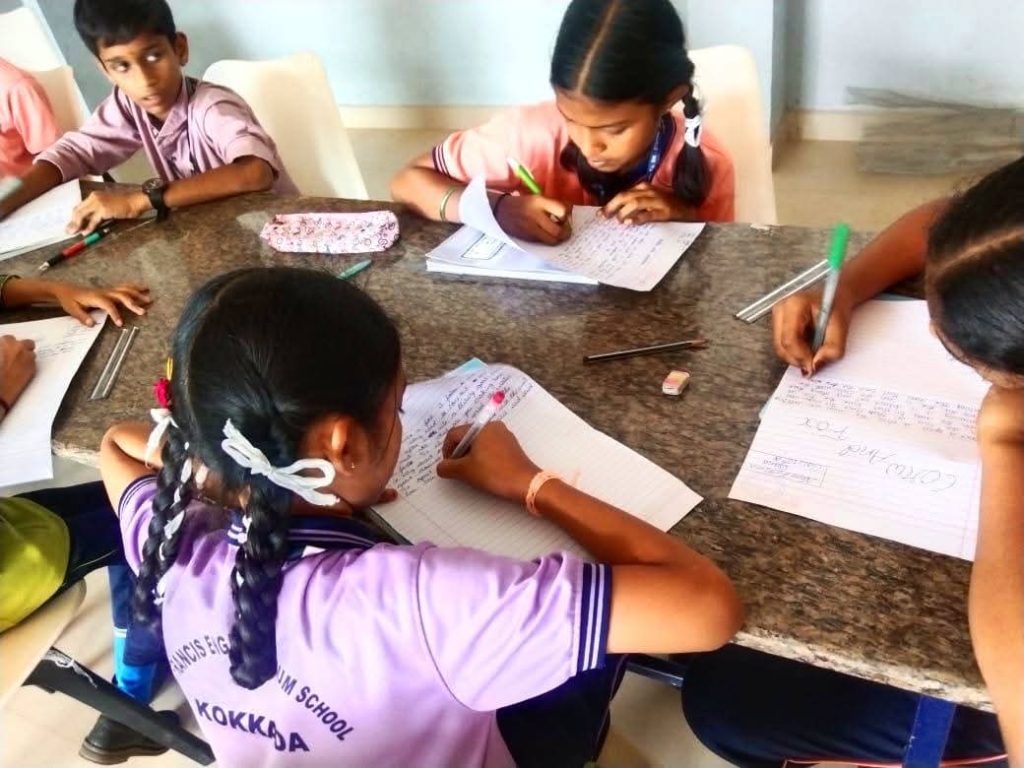
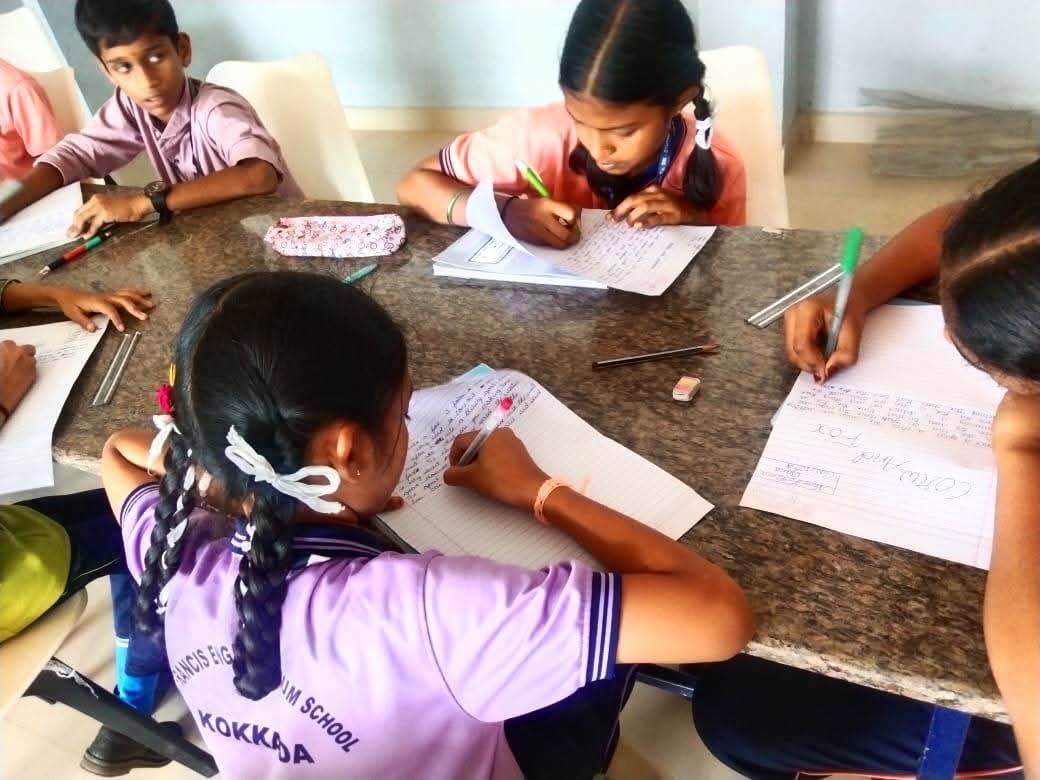
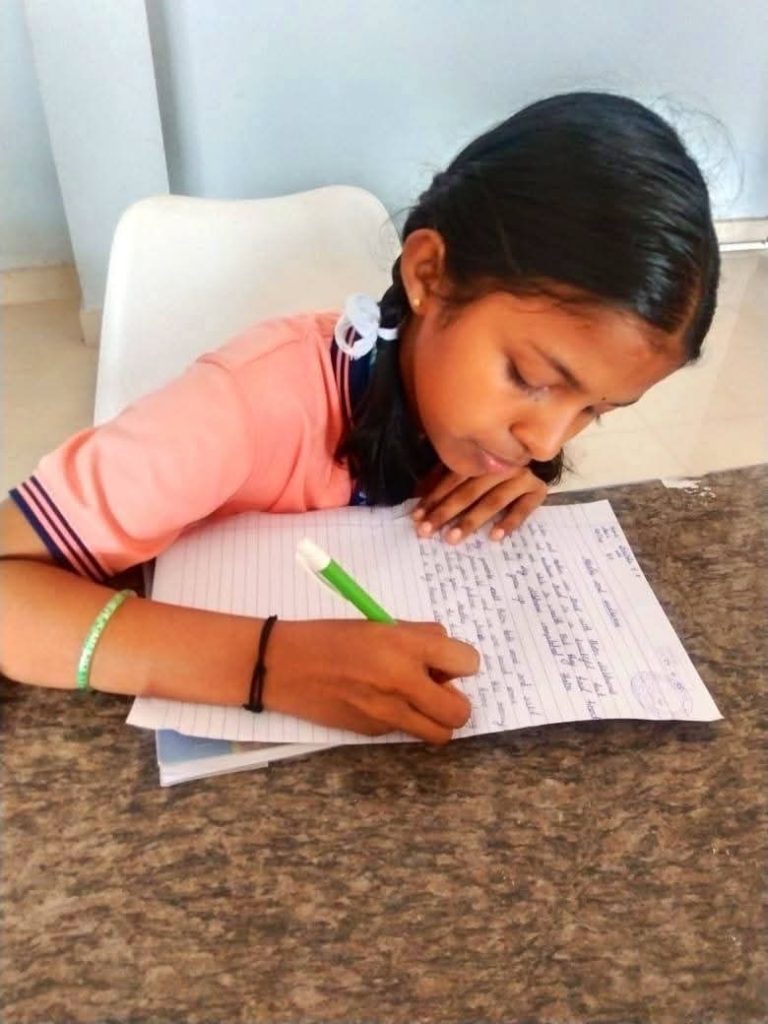
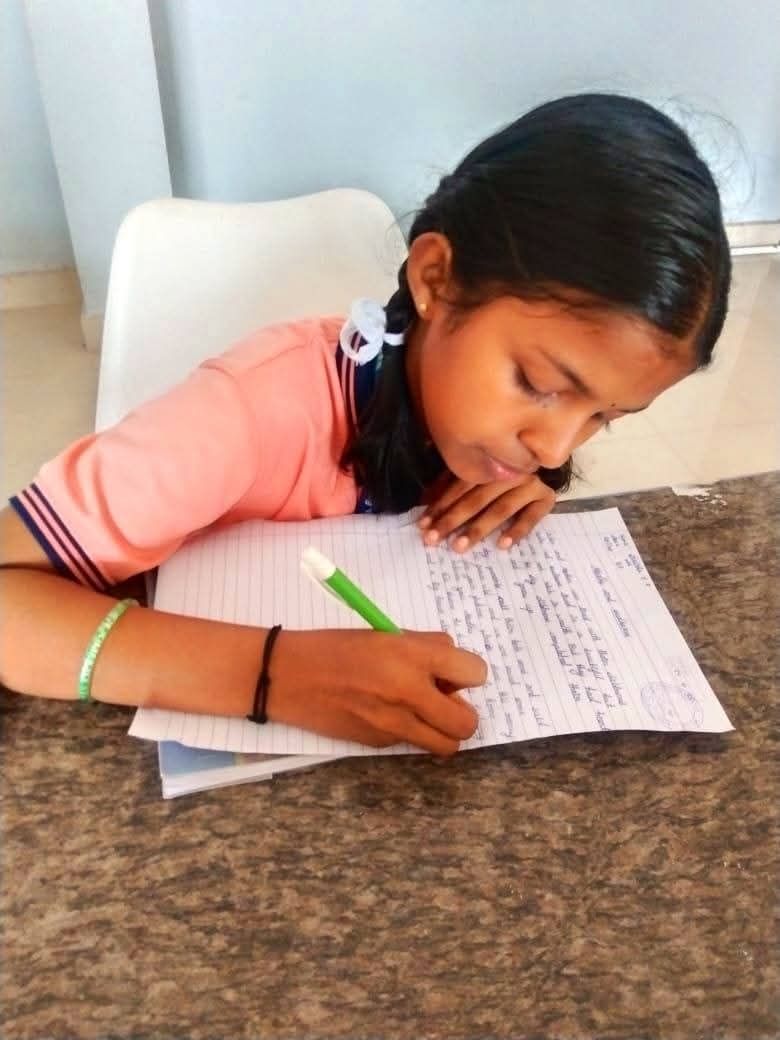
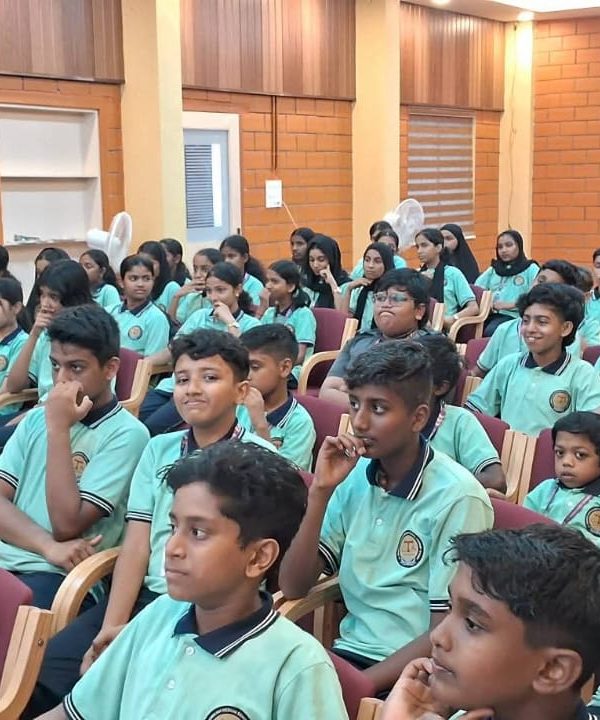
Peace Club at St. Francis English Medium School, Kokkada, successfully organized a Story Writing Competition for students of classes 6 to 9 on 10th January 2026. The initiative was conducted with the objective of nurturing creativity, encouraging self-expression, and deepening students’ understanding of the value of peace in everyday life. The competition witnessed enthusiastic participation from students, who eagerly embraced the opportunity to express their thoughts and ideas through storytelling. Each piece of writing reflected imagination, sensitivity, and a growing awareness of themes such as harmony, kindness, and coexistence. The activity provided a meaningful platform for students to explore how peace can be practiced and promoted in their surroundings. Through this initiative, the Peace Club once again demonstrated the power of creative expression as a tool for value-based education. By engaging young minds in thoughtful reflection and artistic communication, the competition helped instill empathy and a sense of social responsibility among participants. Overall, the Story Writing Competition was a great success, leaving a positive impact on the students and inspiring them to become ambassadors of peace in their communities.
NURTURING SEEDS OF PEACE AMONG CHILDREN
In a time marked by increasing violence and unrest, nurturing the values of peace among children has become not just important, but essential. Instilling the seeds of peace in young minds is a shared responsibility that calls for thoughtful and creative approaches. Education must go beyond academics to shape attitudes, values, and behaviors that contribute to a more harmonious society.
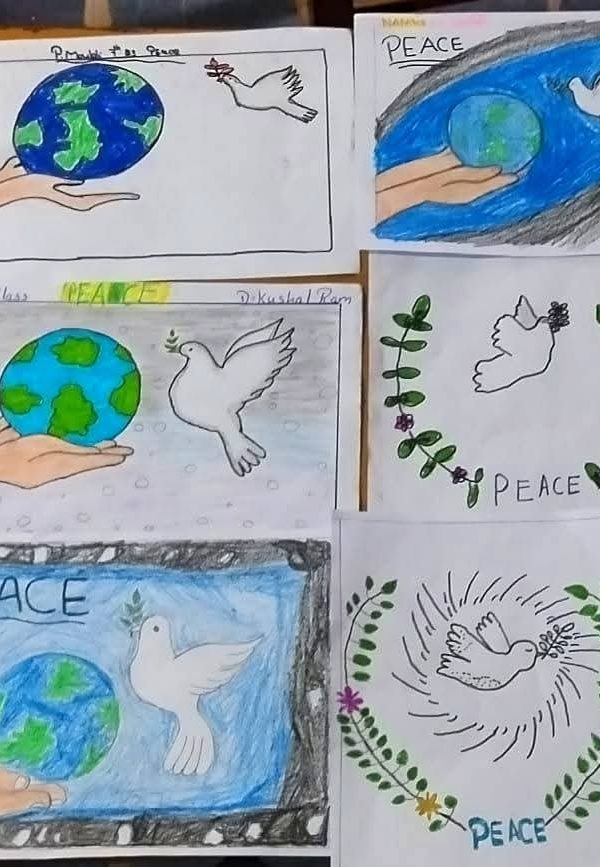
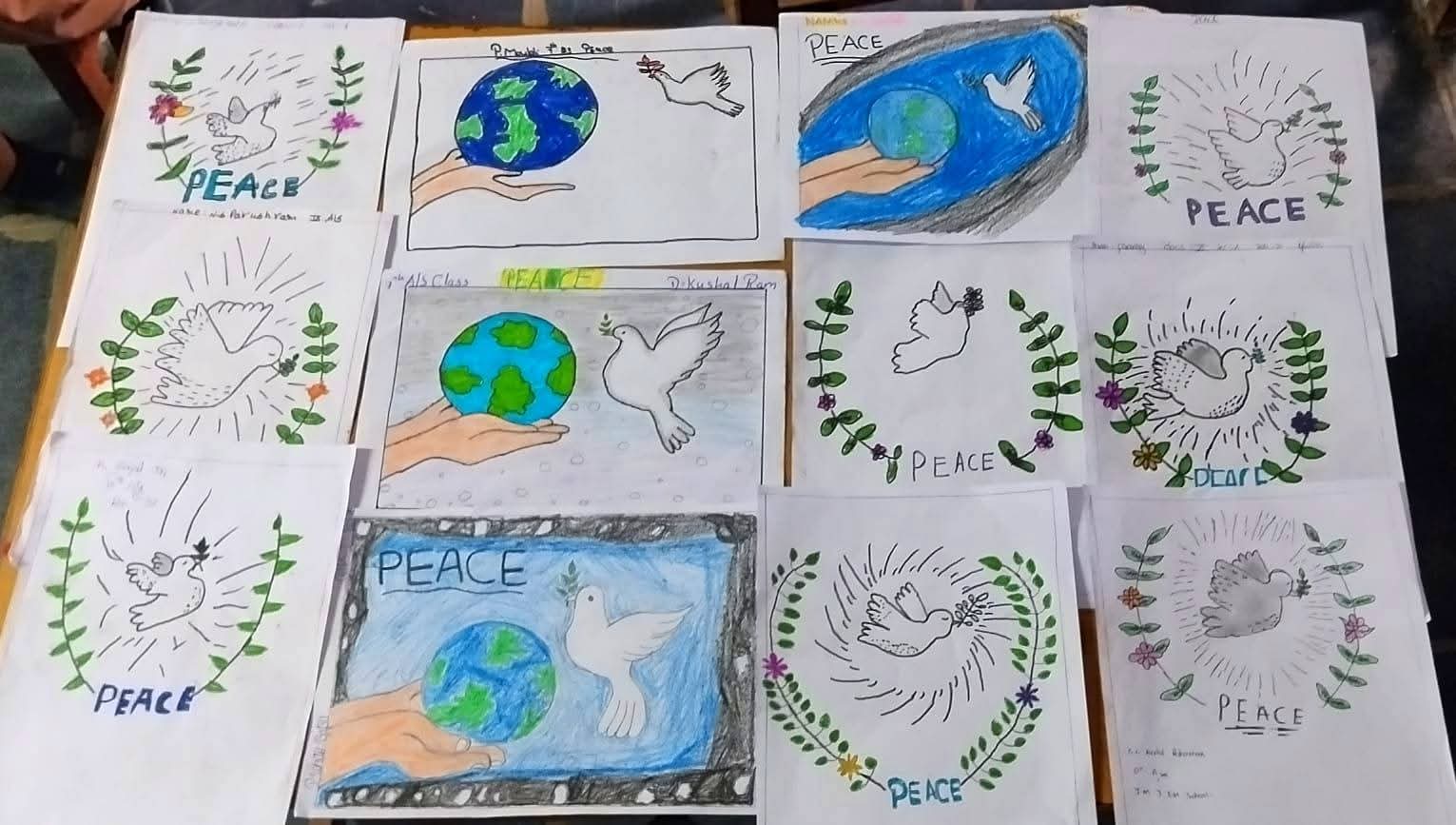
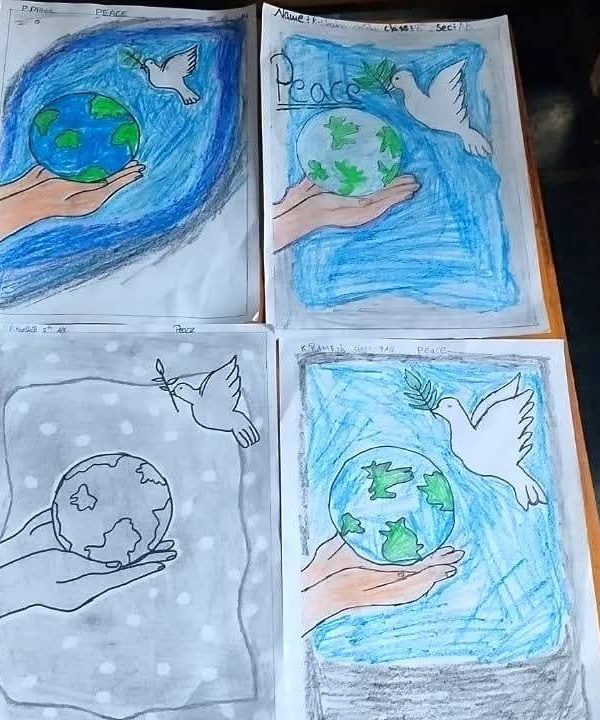
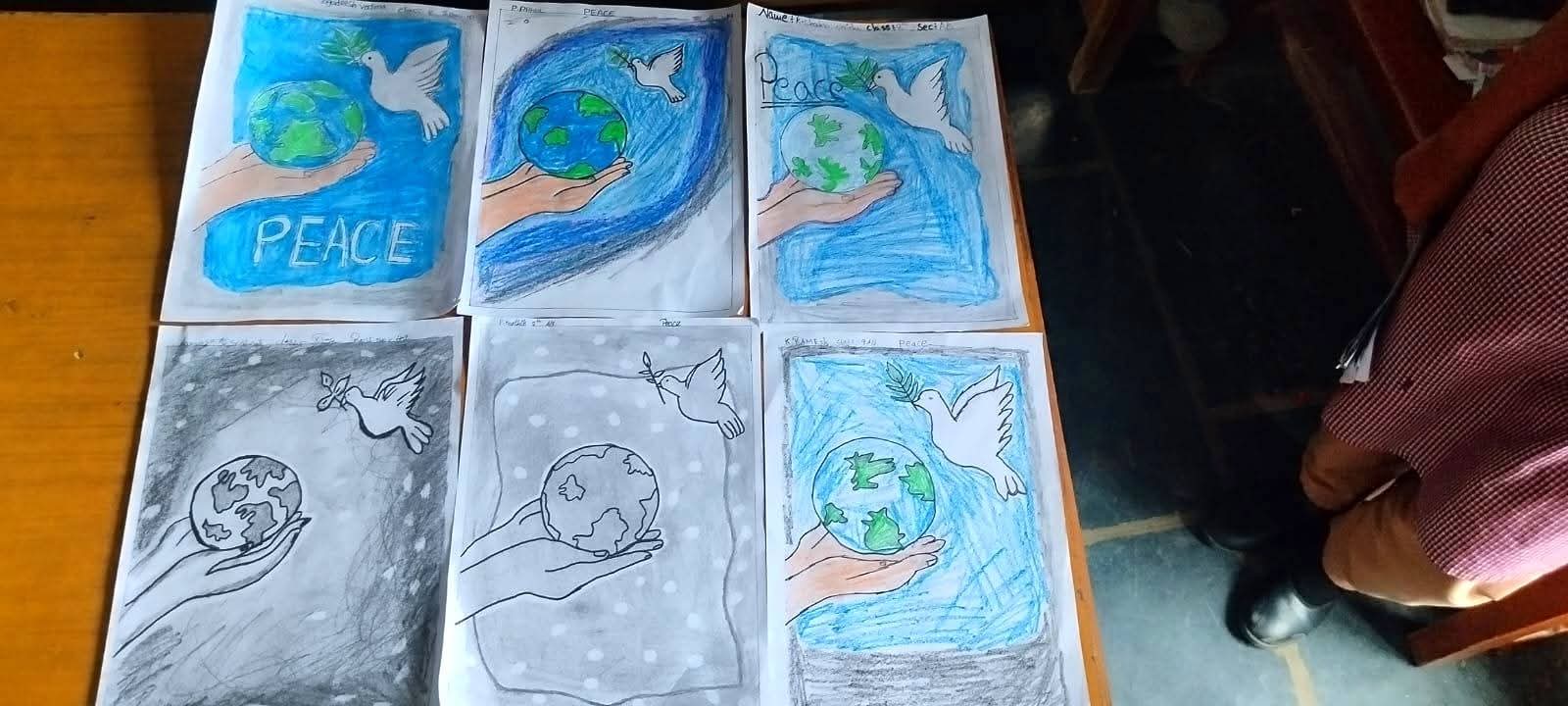
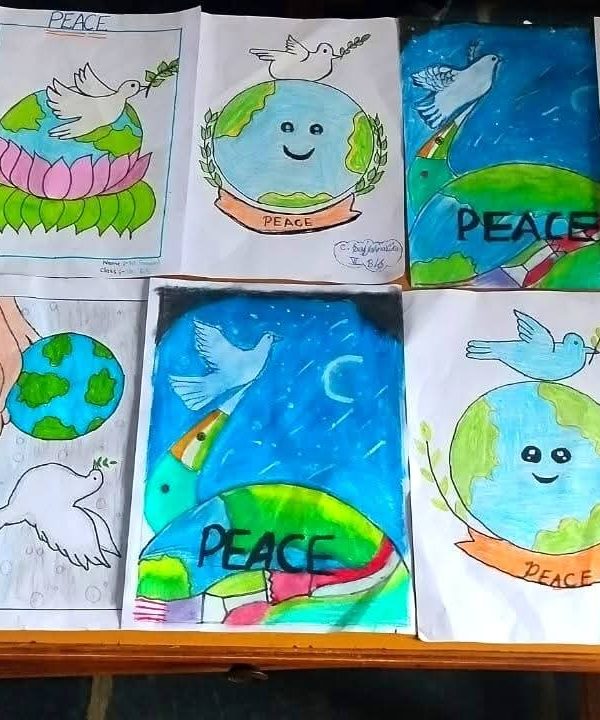
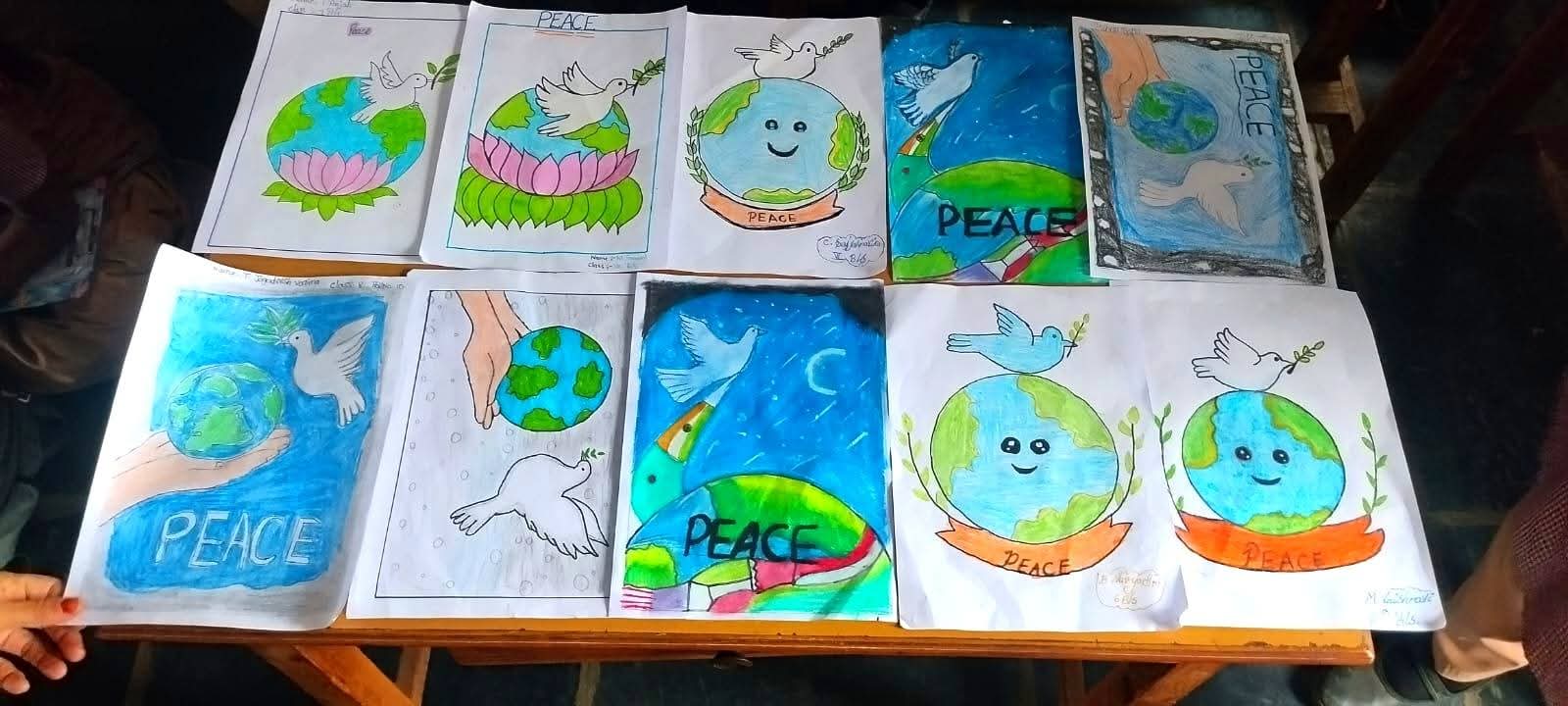
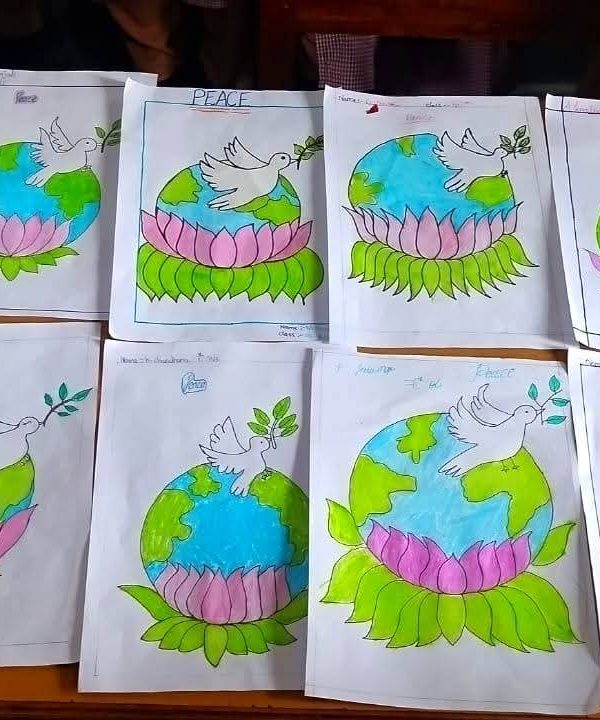
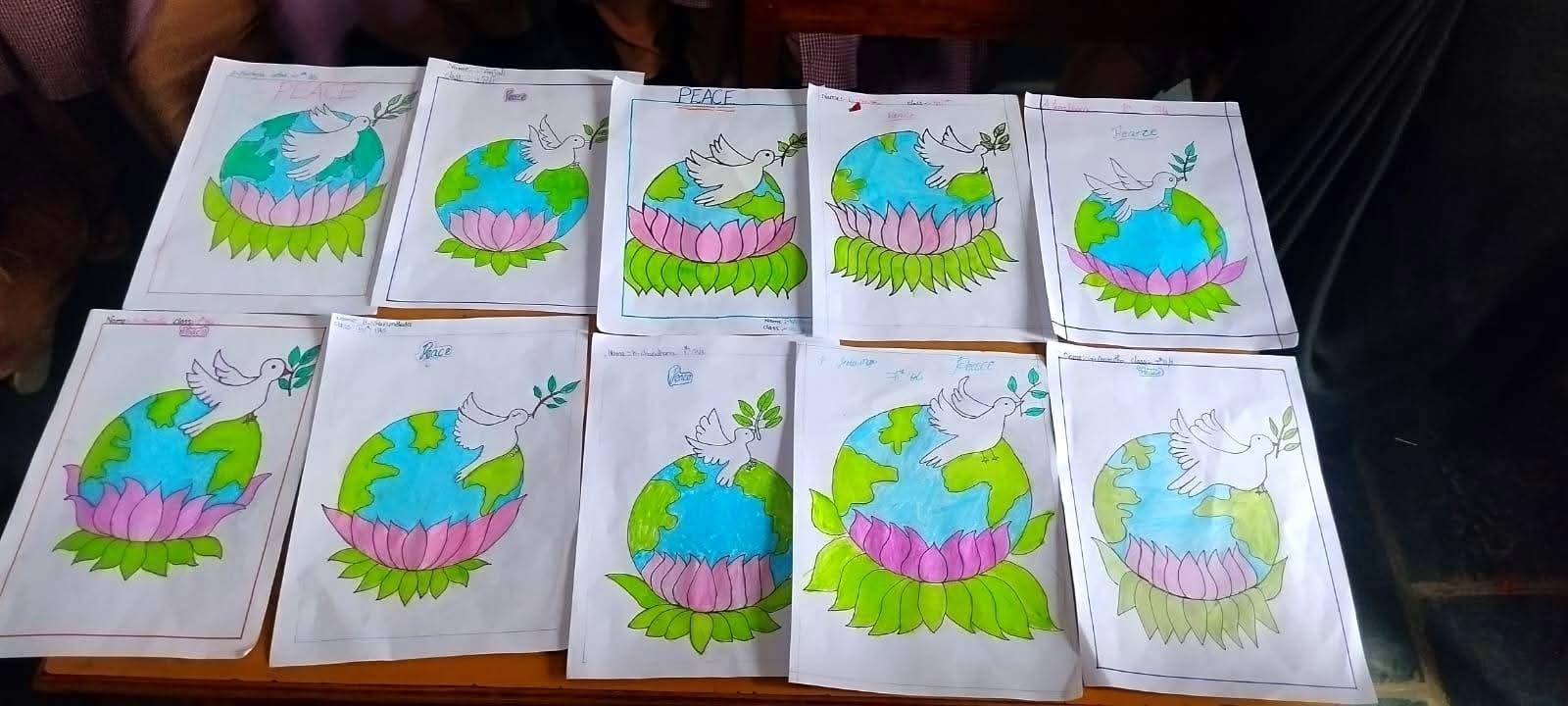
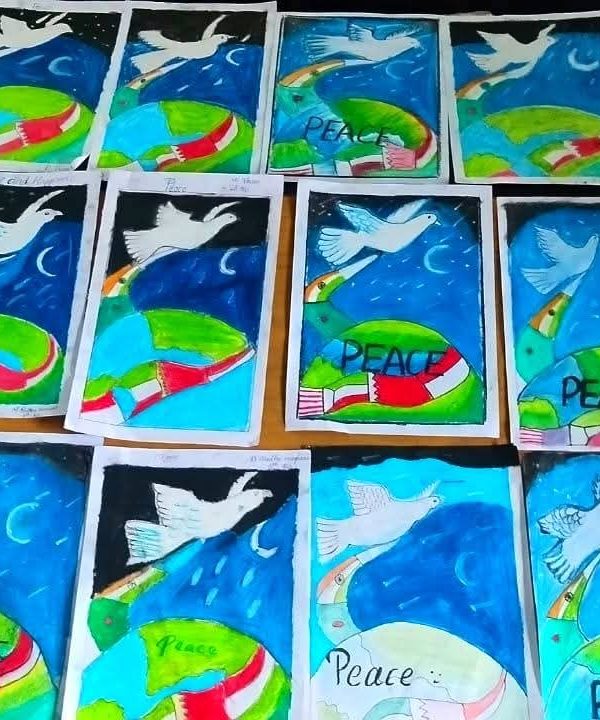
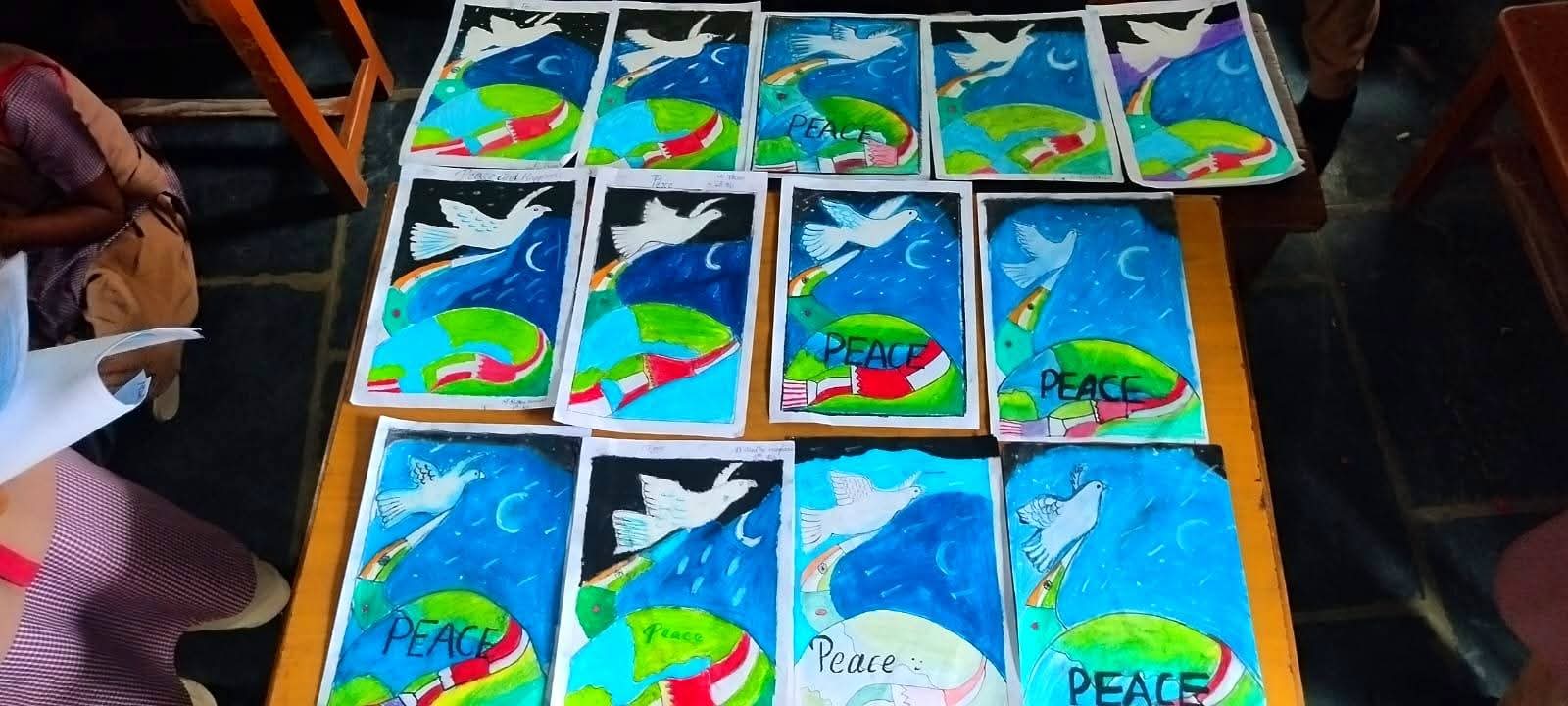
One of the most effective ways to cultivate such values is through the use of arts and participatory activities. Creative expressions such as drawing, storytelling, music, and group interactions provide children with meaningful opportunities to understand and internalize the essence of peace. These methods not only engage students actively but also encourage empathy, cooperation, and respect for diversity. With this vision, a meaningful initiative was carried out at St. Joseph School in Kurnool, Andhra Pradesh on 11th January 2026, as part of the Peace Club activities. The program aimed at fostering awareness among students about the importance of peace and harmonious living. Through a simple yet impactful activity, students were encouraged to reflect on the concept of peace and express their thoughts creatively.
The activity witnessed enthusiastic participation from children, who expressed their understanding of peace through various artistic forms. Their works reflected innocence, hope, and a deep longing for a world free from conflict. Such initiatives help children to not only understand peace as an abstract idea but also to practice it in their daily lives—through kindness, tolerance, and mutual respect. The Peace Club continues to serve as a platform where students can engage in constructive activities that promote unity and social responsibility. These efforts, though small in scale, carry the potential to create a lasting impact by shaping the mindset of the younger generation.
We are pleased to share a few glimpses from this activity, which capture the spirit of creativity and the commitment to building a culture of peace among children. Such initiatives reaffirm our belief that lasting peace begins with education and the nurturing of young hearts and minds. Through continued efforts like these, we hope to contribute towards building a more peaceful and compassionate society, one child at a time.